At IWU, undergraduate students are helping advance neuroscience using hands-on research guided by the dean of the School of STEM and professor of biology, Matthew Kreitzer, Ph.D.
A Journey Fueled by Curiosity and Faith
His work reflects IWU’s commitment to meaningful undergraduate research and the integration of faith with scientific exploration. For Kreitzer, studying the brain is both a scientific undertaking and a way to appreciate the complexity of God’s creation.
Kreitzer’s interest in providing students with early research opportunities stems from his own undergraduate experience. With limited exposure to research, he felt unprepared for scientific inquiry and unsure of what lab work involved. That experience now motivates him to create a more supportive environment for IWU students, giving them the guidance he once lacked.
Through his mentorship and the support of programs like the Hodson Research Institute, students are gaining confidence, strengthening their scientific identity, and contributing to research with real relevance.
Investigating How the Brain Communicates
Kreitzer’s research focuses on how neurons communicate within the retina, a small extension of the brain. Neurons are specialized nerve cells that transmit electrical signals, while synapses are the connection points between them. His lab studies how slight changes in pH, which indicate acidity or alkalinity, affect this communication.
A significant part of his work involves glial cells, which support and protect neurons. One important type of glial cell is the astrocyte, which provides nutrients, removes waste, and maintains a stable environment in the brain to help neurons function properly. In the eye, Müller cells are specialized support cells that carry out many of the same functions as astrocytes but specifically for retinal neurons, the nerve cells that detect and transmit visual information to the brain. Because the retina is a direct extension of the brain, studying its cells helps researchers better understand how similar support systems work throughout the nervous system.
Kreitzer also sees a connection between the nervous system and spiritual life. His published work explores how encounters with Christ and spiritual practices can shape neurobiology, influencing behavior and thought patterns. He views the adaptability of the nervous system as a reflection of God’s creative design and redemptive work in human lives.
Students Engaged in Scientific Discovery
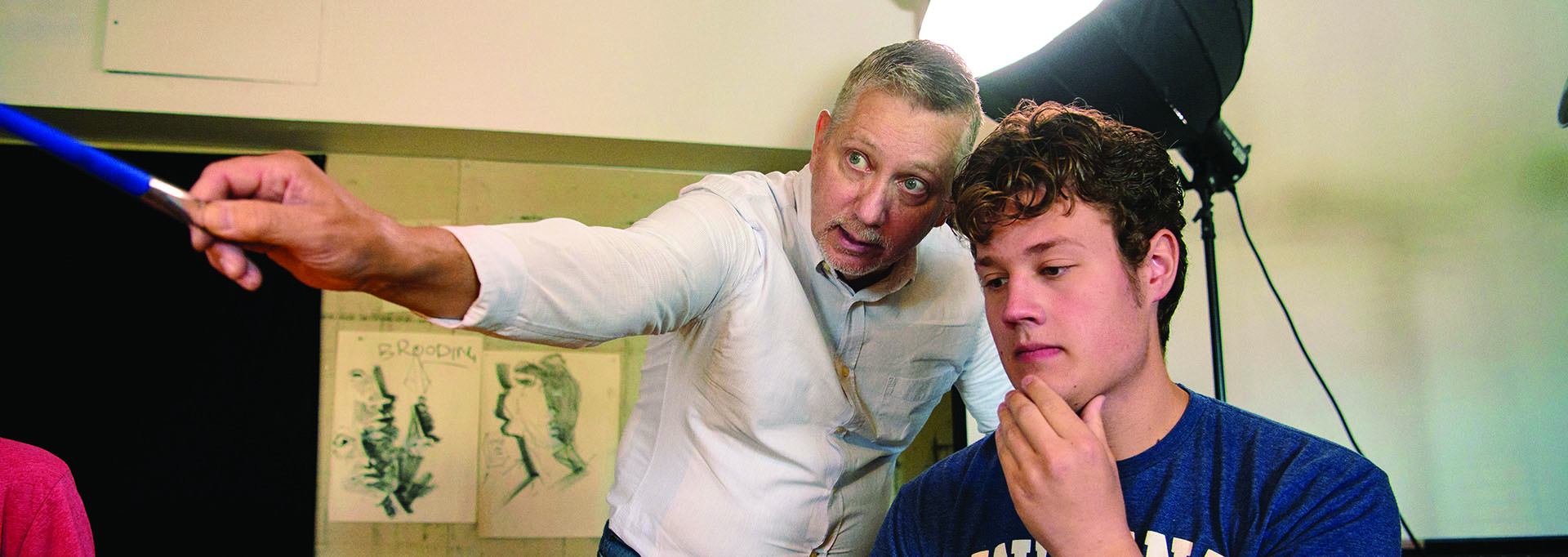
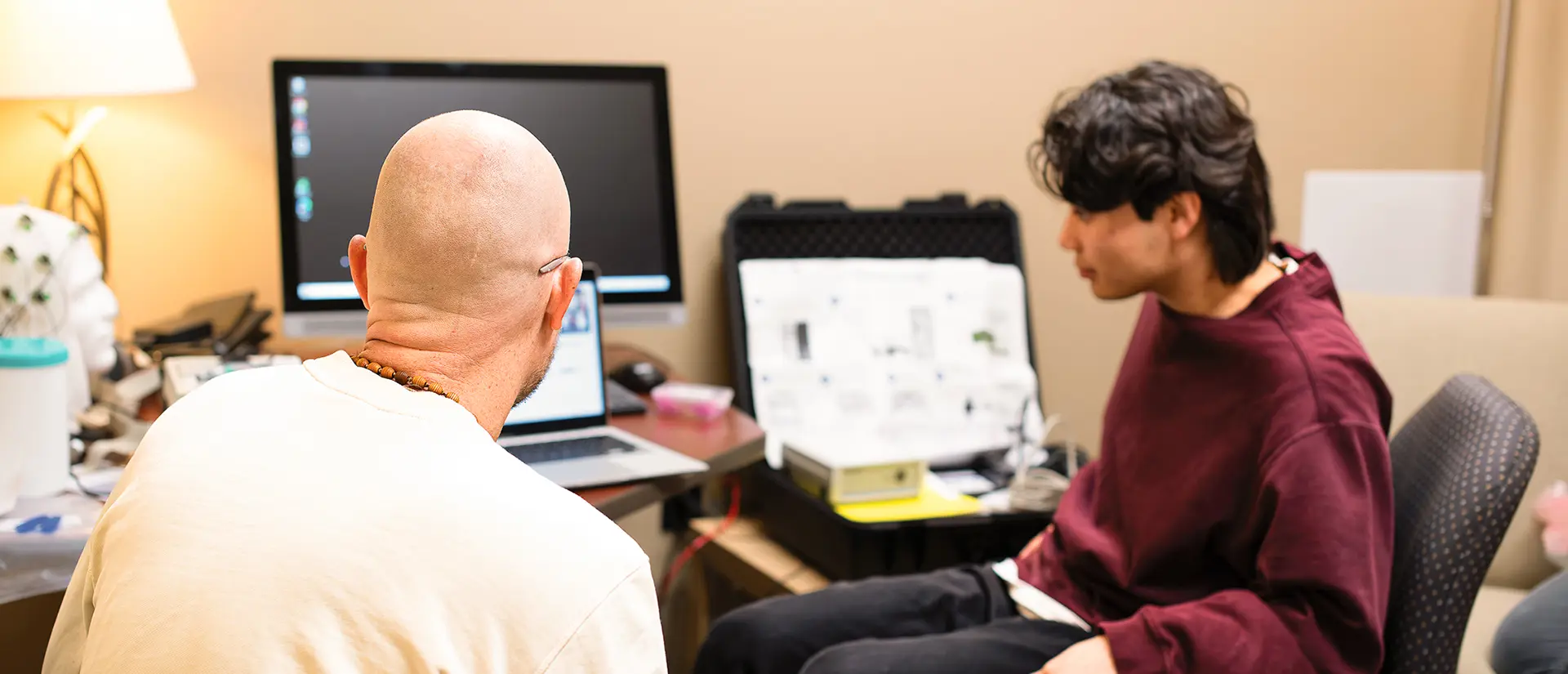
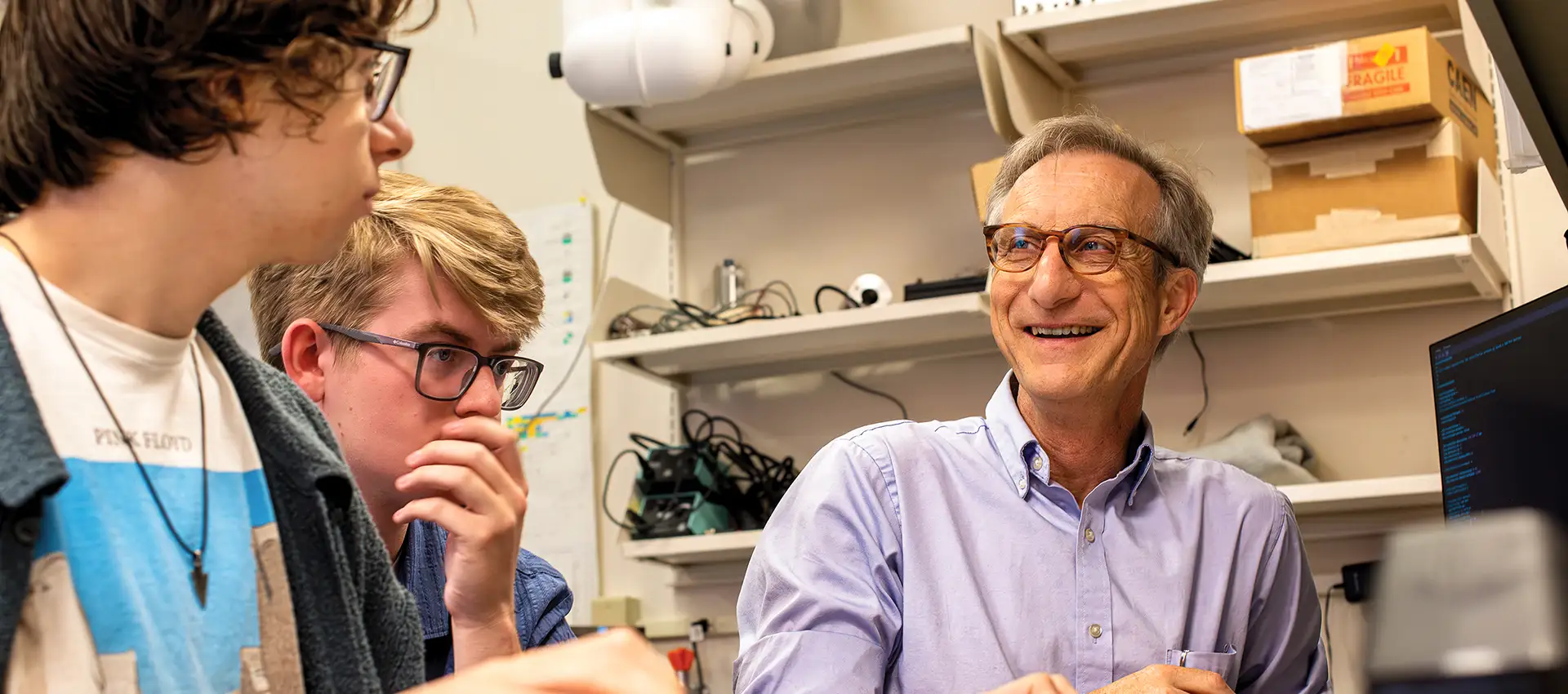
Undergraduate students are central to Kreitzer’s research. They help design experiments, conduct studies, and contribute to published work. Early exposure to research helps students build confidence and a sense of belonging in science.
“I viewed what I did in a laboratory course and just assumed that would be what research looked like,” he said. “Not knowing any different kept me from understanding what science was all about.”
To ensure students do not face similar challenges, Kreitzer includes them in every stage of the scientific process.
The Hodson Research Institute, founded in 2011, provides additional support through its full-time, eight-week summer program. This immersive structure allows students to tackle complex problems and pursue discoveries that may not be possible during a regular semester.
Many former students have continued into careers in medicine, neuroscience, and research. One example is Ethan Naylor, an early participant in the Hodson program who went on to Johns Hopkins University and now serves as a biomedical engineer for the U.S. Food and Drug Administration. “Dr. Kreitzer encouraged us to think outside the box and empowered us to design our own experiments,” Naylor said.
Understanding Challenges Within Neuroscience
As students gain experience, they also encounter the complexities of studying the brain. Neuroscience is challenging because the brain constantly adapts in response to new experiences and information.
“Studying the brain is complex, especially because it is constantly adapting,” Kreitzer said. “There are structural and neurochemical shifts happening all the time.”
This dynamic nature means discoveries often raise new questions rather than providing final answers.
Some critics argue that basic research has limited value if it does not result in immediate treatments. Kreitzer disagrees, noting that foundational research reveals the mechanisms that applied science depends on.
“Unless you understand the underlying mechanisms of how the body operates, how proteins function, and how neurons communicate, you cannot create an applied treatment,” he said.
A Legacy of Mentorship and Discovery
In his office, Kreitzer keeps a wall filled with photos of the many students he has mentored. The display reflects the relationships built through scientific exploration and the lasting influence research can have on students’ lives.
These experiences equip students with technical skills, confidence, and resilience. Science rarely produces fast results, but each step contributes to future breakthroughs. At IWU, neuroscience students are gaining the tools to join that ongoing work as they learn to integrate scientific curiosity with their Christian faith.