
Wildcat Head Logo
Find Your Way Forward

Online Master of Counseling in Community Care

The Master of Arts in Community Care program at Indiana Wesleyan University is designed to prepare compassionate people helpers—those not pursuing state licensure—to provide meaningful, faith-informed support in a wide variety of community and ministry settings. Rooted in a Christ-centered academic experience, this counseling-related degree equips you to respond to non-clinical mental health and wellness concerns with education, collaboration, and a commitment to ethical referral when needs extend beyond their scope of competence.

Issues such as crisis pregnancies, adjustment to normal life transitions, personal loss and grief, parenting skill enhancement, and improvement of personal wellness are common non-clinical concerns that lead people to seek the care of lay counselors, peer supports, and indigenous people helpers. The M.A. in Community Care provides you with the knowledge, discernment, and interpersonal skills to serve faithfully and responsibly in such roles.

Why Pursue My Master’s in Community Care Online at IWU?

Indiana Wesleyan University’s 36-credit-hour master’s degree in community care is a non-licensure track that prepares you to provide human-related services in the community. Through a curriculum that integrates sound psychological theory, interpersonal skill development, and faith-based principles, we are committed to training individuals like you whose compassionate service is informed by a holistic understanding of the human person, ethical integrity, and sensitivity to diverse populations of individuals, couples, and families.

Our Christian faculty teach from the same biblical worldview valued on our campus, helping you grow both professionally and spiritually as you learn to offer support with clarity and conviction. Whether you serve in ministry, community outreach, or faith-based agencies, you will be equipped to recognize when to collaborate with or refer to licensed behavioral health professionals in a manner consistent with ethical practice and care.

What Will I Learn in a Master’s in Counseling in Community Care Program?

Upon completion of the master’s degree in community care, you’ll be prepared to be a source of care, compassion, and support to persons and families facing life transitions, relational challenges, or personal difficulties. The program emphasizes practical application through a range of learning experiences that help students grow in interpersonal competence, cultural humility, and spiritual integration.

You’ll also gain essential insight into how personal faith and biblical values can be harmonized with effective support strategies—equipping you to serve confidently and responsibly in your unique vocational context. Just as important, you’ll learn how to recognize your professional boundaries and refer individuals to licensed counselors or mental health professionals when issues fall outside your scope of practice.

Graduate Counseling at IWU

Your Master of Arts in Graduate Counseling may be closer than you think! Learn more about the Graduate Counseling programs at Indiana Wesleyan, and the incredible faculty team dedicated to making helping you take the next steps in your counseling career!

What Makes IWU Different?

Education Pioneer

IWU has provided education for more than 100 years.

Rooted in Christ

Christ-centered support, resources, and services to online students, staff and faculty.

Superior Support

Discover online student resources to help along your journey.
Distinguished Faculty

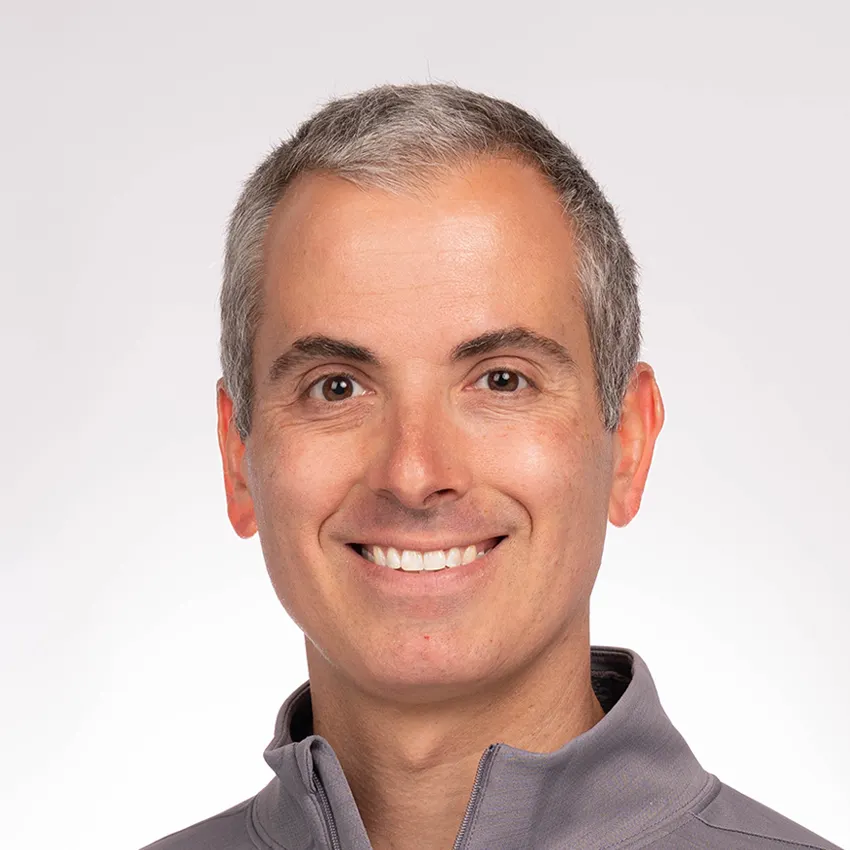
Dr. Robert Atchison Headshot

Dr. Robert Atchison

Associate Professor; Chair, Division of Graduate Counseling

Professor Atchison is a graduate of the Indiana Wesleyan University Graduate Counseling program. He began his track as a youth minister but transitioned into the world of counseling as part of his Calling.

Meet Dr. Atchison

Tuition & Aid

36 Credit Hours

paw print

$610/ Credit Hour

Net Price Calculator

Financial aid is available in the form of grants, loans, scholarships, veterans’ benefits, and employer reimbursement.

Financial Aid Tuition & Fees Info

Applicable fees for resources and services will be assessed throughout the program. Tuition and fees for prerequisites and required elective courses are in addition to the charges shown on the program cost sheet. Your tuition rate will remain the same as long as you remain continuously enrolled in the same program. The estimated cost of attendance is available on the financial aid webpage. Cost sheets may be requested from an enrollment counselor by calling 866.498.4968 or emailing iwuenroll@indwes.edu.

What You'll Study

These courses contain the program-specific knowledge. Upon completion, you will be able to:

  • Utilize appropriate strategies to promote health and well-being at the community level.
  • Explore the role of spirituality in the context of community care and its impact on holistic personal wellness.
  • Demonstrate effective verbal and nonverbal communication that reflect empathy, attunement and rapport building (helping skills). 
  • Foster skills for evaluating professional literature and scientific data that pertains to mental wellness and human flourishing. 
  • Demonstrate self-awareness about the personal impact they have on individuals from diverse cultural backgrounds.
  • Effectively utilize ethical principles to guide their helping skills in maintaining an appropriate scope of care.

Indiana Wesleyan University

Courses in this Program

These courses contain the program-specific knowledge. Upon completion, you should have the tools to conquer your new career with confidence. For a full list of courses and prerequisites required to complete your degree, please visit the course catalog. Click on a course below to view the description.

CNS-501,CNS-502,CNS-503,CNS-504,CNS-506,CNS-507,CNS-509,CNS-511,CNS-524,CNS-541

After Graduation

paw prints

Potential Careers

  • Care Coordinator
  • Community Mental Health Educator
  • Community Support Specialist
  • Wellness Consultant


Work in Various Industries

  • Industry

Program FAQs

Dr. Amanda Davis brings more than 20 years of experience in public education as both a classroom teacher and school counselor. She serves as program director and full-time faculty at Indiana Wesleyan University and owns a private counseling practice, partnering with local schools. Her areas of expertise include school counselor leadership, principal and counselor collaboration, counselor wellness, and grief support. Outside of work, she enjoys reading, crafting, traveling with her family, and spending time with her two Labrador retrievers.

Dr. Judy Justice approaches counseling and teaching as a calling to serve others, modeling Christ-centered care in her work. She serves as a counselor with the American Red Cross Disaster Team, responding to local and national crises. With decades of experience in school counseling and higher education, she prepares graduate students to become compassionate, effective counselors. She has also served as a program director and contributed extensively to university and professional committees.

Dr. Erin Davis is a dedicated educator known for her strong relationships with students and commitment to service. She is passionate about supporting underserved communities and brings global perspective through experiences such as teaching at sea. With extensive experience in counseling and higher education, she equips students with both clinical skill and empathy.

Practicum and internship experiences provide hands-on training in real school settings. Students apply counseling skills, build professional confidence, and gain practical experience that prepares them for immediate employment as school counselors.
This CACREP-accredited school counseling program prepares graduates for careers as licensed school counselors in public, private, and charter schools serving Pre-K–12 students. Students in the dual School Counseling and Clinical Mental Health Counseling track are also prepared for careers in community mental health agencies, private practice, hospitals, and other behavioral health settings.
Key courses include Foundations of School Counseling, School Counseling Programming, and internship placement courses that provide supervised, real-world experience.
Graduates typically pursue licensure and begin working as school counselors. Dual-track graduates often pursue associate licensure in clinical mental health counseling while completing supervised hours toward full licensure.
School counseling is a comprehensive, school-based profession focused on academic, career, and social-emotional development. Students are trained to design and implement counseling programs, collaborate with educators and families, and use data to guide decision-making.
This program is primarily online with required in-person intensives and field experiences. Students complete coursework online, attend 2–3 day intensives for key courses, and complete practicum and internship hours in approved local school settings.
Courses are delivered primarily in an asynchronous online format, allowing flexibility for working adults. Students complete weekly modules, engage in discussions, and submit assignments within set deadlines.
Yes. Students complete a practicum and two internships in school counseling settings. The program provides guidance, approved site lists, and faculty support throughout the placement process.
Indiana Wesleyan University’s program is Christ-centered, CACREP-accredited, and designed for working adults. Students benefit from small class sizes, personalized mentorship, and the option to pursue a dual track in clinical mental health counseling.
Successful students are motivated, self-directed learners who are passionate about helping children and adolescents. They are collaborative, adaptable, and committed to personal and professional growth.
Students describe the program as supportive and relational. Faculty provide consistent guidance, and the flexible structure allows students to balance coursework, work, and family responsibilities.

This program prepares students for roles in community-focused settings such as schools, higher education, churches, nonprofit organizations, and ministry environments.

Students complete coursework in multicultural and ecological counseling, developing skills to support diverse and underserved populations through outreach, education, and community engagement.

Yes. Students learn foundational crisis response, referral strategies, and advocacy skills to support individuals and communities facing mental health challenges.

Students develop skills in collaboration and consultation, preparing them to work effectively with community organizations, agencies, and stakeholders to meet mental health needs.

Program Requirements

  • A baccalaureate degree from a college or university that is accredited by an accrediting agency recognized by both the U.S. Department of Education (ED) and the Council for Higher Education Accreditation (CHEA) verified on original transcripts sent by the institution directly to Indiana Wesleyan University.
  • An undergraduate grade point average of 3.0 or higher from the baccalaureate degree-granting institution at which a minimum of 30 credit hours was completed.
  • Graduate Record Exam (GRE) taken within five years of application to the program.
    • Verbal (V) score of at least 146 required.
    • NOTE: If you have earned a cumulative GPA of 3.0 or higher for your baccalaureate program and/or if you have 15 credit hours of completed graduate coursework in good standing, you are not required to take the Graduate Record Exam (GRE) for admission to our program.
  • Demonstrate writing proficiency based on evaluation of submitted admissions essay.
  • Three recommendations on provided form, with at least one from a professional (supervisor, professor, etc.)

Applicants whose application documents demonstrate potential for success in the Graduate Program in Counseling will participate in a personal interview.


NOTE: The graduate admissions committee retains the right to waive an admission requirement for special circumstances. Successful graduate coursework may be substituted for the GRE.

Credit may be allowed for courses equivalent in content, credit hours, and course title.

  • Only course work that is completed at a college or university that is accredited by an accrediting agency recognized by both the U.S. Department of Education and (ED) and the Council for Higher Education Accreditation (CHEA) with a minimum of “B” or higher is acceptable for transfer credit.
  • A maximum of 9 credit hours of equivalent coursework earned within the last seven (7) years at another institution or within another IWU division may be transferred in by students new to the Division of Counseling in order to meet program requirements.
  • Students who are transferring from another MA degree program within the Division of Counseling are eligible to transfer all courses with a “B” or higher that were both previously approved and are held in common between the two-degree programs.
  1. Successful completion of the required core curriculum, specialization courses, and electives with a minimum grade of "C" in each course and a minimum cumulative grade point average of 3.0.
  2. All degree requirements must be completed within six years of enrollment.
  3. Payment of all tuition and fees.

SPECIAL NOTE

  1. State regulations may prohibit licensure for individuals who have ever been convicted of a crime of violence or of any crime that has a direct bearing on the ability to practice competently.
  2. The applicant is responsible to check the licensing requirements with his or her state licensing agency prior to beginning the program.

The basic requirements of our 36-credit hour program include:

  • 33 hours or eleven (11) core counseling classes.
  • 3 elective hours of CNS courses within the Division of Counseling.
  • Students are required to take and pass the Bible exam administered by the Division of Counseling within their first semester.
  • Students are required to complete the CNS 500 orientation within their first semester in the program.
    • CNS 500 is a CR/NC (Credit/No Credit) course that students must successfully complete in order to be eligible to register for additional courses within the program.
    • Students who are inactive or withdraw from the program and seek readmission will be required to re-take CNS 500 orientation in the first semester of their return.
  • Online students are expected to attend one (1) onsite intensive as part of the requirements of their program. There are no online options for intensives.


Accreditation

The basic requirements of our 36-credit hour program include:

  • 33 hours or eleven (11) core counseling classes.
  • 3 elective hours of CNS courses within the Division of Counseling.
  • Students are required to take and pass the Bible exam administered by the Division of Counseling within their first semester.
  • Students are required to complete the CNS 500 orientation within their first semester in the program.
    • CNS 500 is a CR/NC (Credit/No Credit) course that students must successfully complete in order to be eligible to register for additional courses within the program.
    • Students who are inactive or withdraw from the program and seek readmission will be required to re-take CNS 500 orientation in the first semester of their return.
  • Online students are expected to attend one (1) onsite intensive as part of the requirements of their program. There are no online options for intensives.


Take the Next Step

Discover the way forward in your personal and professional life. Earn your master’s in counseling in community care online at IWU!

Request Info Apply Now

Related Pages