

The promise of contemporary criminal justice is immense. Guided by decades of research and grounded in strong principles, the field offers exciting new opportunities to support and protect communities. Technological breakthroughs and evidence-based practices reveal how agencies and professionals can live up to a promising vision of a field that simultaneously serves communities and safeguards civil liberties.
The caveat is that these strategies require considerable skill and knowledge to execute ethically and effectively. Aspiring criminal justice professionals can build these competencies through intentional instruction, examining the theoretical basis that underscores modern justice practices. Discover how the right law enforcement degree or public safety degree can build industry-critical skills that will remain relevant far into the future.
What Skills Do Modern Justice Professionals Need?
Criminal justice is changing rapidly, with emerging regulations and digital transformation unleashing new expectations for how communities are protected and for how justice is delivered. Currently in-demand skills include a wide range of interpersonal and technical competencies, tailored according to industry and role-specific demands.
How the Field Has Changed and Why Skills Must Keep Up
Criminal justice provides a mirror to societal priorities and technological innovation. Both are shifting rapidly, expanding our notion of what it means to protect the public and to uphold justice. Digital crime and electronic evidence play an increasingly significant role in the day-to-day work of contemporary justice professionals, demanding data fluency and advanced technical skills. Meanwhile, the ethics that underscore criminal justice are also being re-examined, prioritizing transparency and equity.
Professionals need to be tuned into these changes because they impact every aspect of criminal justice: how evidence is collected, how incidents are documented, how interventions unfold, and how critical information is conveyed to the courts. Fail to keep up, and professionals will struggle to understand which threats place communities most at risk and how those threats can be addressed most effectively.
How Contemporary Coursework Builds These Skills
Criminal justice coursework expands on theoretical fundamentals by exploring the field's core values and principles in the context of changing laws, technologies, and societal expectations. Today's criminal justice degree courses place a stronger emphasis on digital and analytical skills. This begins with introducing students to innovations such as surveillance technologies and digital forensics and applying tech-driven strategies through case studies and projects.
Classes also examine research methods and ethical data collection, along with crisis intervention and restorative justice strategies that reflect our modern understanding of criminology and criminal justice administration.
Why Are Digital Crime Skills Essential Today?
Technology is integrated into nearly every aspect of modern criminal justice and built into a wide range of criminal justice jobs. In policing, this determines how officers collect evidence and respond to urgent situations. Meanwhile, today's corrections officer uses advanced technologies to monitor inmates and optimize facility operations. Probation and parole officers use data-driven strategies to assess risk and to optimize case management. Across these domains (and in court procedures), digital skills guide transparency and evidence-based decision-making.
Understanding Cybercrime and Digital Evidence
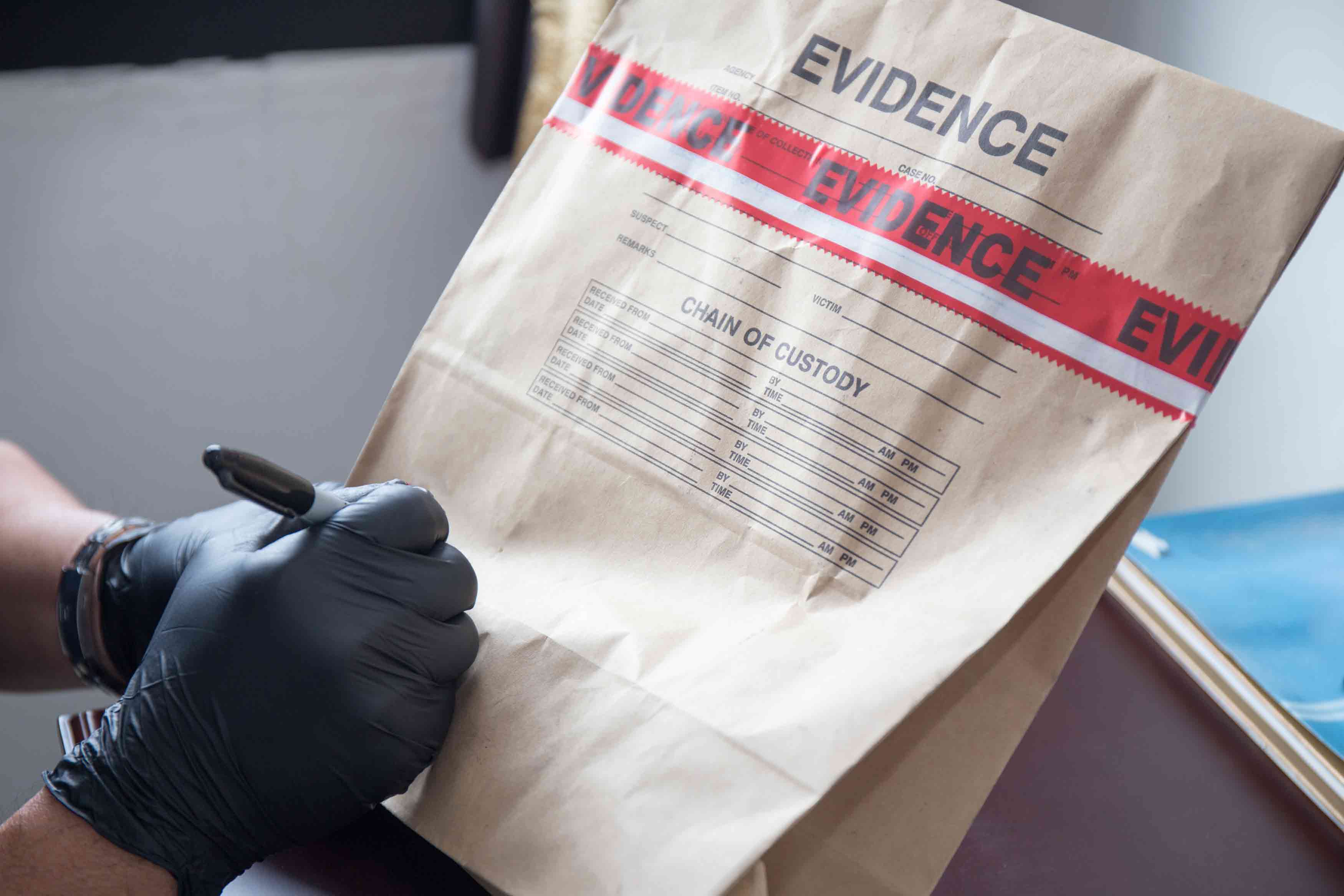
Digital evidence is now present for over 90% of crimes committed. This growing volume of evidence comes down to the ubiquity of cell phones and cameras in our modern society, although this is bolstered by a constant stream of emails, texts, and social media posts. The challenge, then, is not finding evidence, but rather, processing or analyzing it in a way that actually supports criminal justice professionals.
In a significant share of crimes, digital evidence is not merely present — it is through digital means that the offender commits the crime in the first place. Crimes such as cryptojacking and cyberstalking depend on digital technologies, after all. These crimes cannot be fully understood or addressed until professionals also understand the tech-driven mechanisms that make such practices possible in the first place.
Keeping Pace With Evolving Threats
With new technologies come new ways for offenders to commit crimes. Digitally literate teams and professionals can spot early signs of sophisticated digital offenses and can adjust their responses quickly as these threats continue to evolve. There are many ways to increase digital adaptability, but a criminal justice degree program offers a structured pathway to exploring both novel tools and the analytical methods that help professionals make the most of them.
How Does Technological Innovation Shape Justice Work?
Technological innovations may present new justice challenges, but they also equip units and agencies with the sophisticated tools needed to address these concerns. These solutions help teams shift from reactive responses and instead, adopt proactive strategies that identify risks early on and intervene accordingly, ideally preventing harm rather than responding through drastic measures.
The Tools Reshaping Modern Practice
Intelligent solutions need to be a core part of the discussion, as these are quickly reshaping our expectations of how key justice procedures are carried out. AI-powered tools strengthen (and expedite) analysis by helping teams process vast quantities of data.
Today's powerful solutions support evidence-backed practices by identifying patterns. For example, probabilistic genotyping software such as STRmix helps forensic teams leverage mixed DNA samples and statistical modeling. Meanwhile, AI-driven solutions (such as LINEV Systems’ CLEARPASS) detect contraband in corrections.
Today's technologies can even support restorative justice, overcoming choke points (such as administrative delays in case processing) and data fragmentation. Aided by these tools, professionals can more effectively implement restorative processes such as mediation or conferencing.
Staying Adaptable as Technology Advances
Today's exciting tech breakthroughs could be old news in just a few years. Already, recently dominant DNA analysis systems or forensic image enhancement solutions are being supplemented by cloud-based intelligent platforms. For example, Amped FIVE supports video enhancement and technical reporting, helping forensic teams extract critical details from visual evidence.
As these and other solutions are unleashed, professionals must be prepared to rapidly adapt to new tools and workflows. Forward-thinking individuals can prepare in advance by developing data literacy and exploring statistical methods. Becoming adaptable also means clarifying the intersection between ethics, constitutional law, and technological transformation, as new technologies will continue to surface new ethical conundrums.
Why Are Crisis Response and Mental Health Skills So Important?
Digital skills must be accompanied by a thorough understanding of human behavior. While technology helps supply critical information, it is ultimately the criminal justice professional who determines how to act on it. When those actions overlook current mental states (in the alleged offender, the incarcerated individual, the victim, or even the professionals on the scene), urgent situations are misread — and stressed or overwhelmed professionals become more likely to default to restraint or force.
Responding Effectively in High-Stakes Situations
There is currently a strong push for de-escalation in policing, marked, in part, by the widespread availability of de-escalation training within police departments. De-escalation involves far more than a simple checklist, however, and because it demands soft skills (such as empathy and emotional regulation), efforts to prepare will ideally begin long before professionals are exposed to high-stakes scenarios.
This ethos extends beyond de-escalation in tense police interactions to encompass broader work within the justice system. By prioritizing mental health, law enforcement professionals gain a deeper understanding of how individuals think or behave at their most vulnerable.
We see these concepts play out in victim advocacy and even forensic science, prioritizing practices backed by evidence and not reliant on guesswork. When these professionals remain composed, they are better equipped to make informed decisions that ultimately strengthen trust in individual agencies and the justice system as a whole.
Understanding Mental Health in Justice Settings
It's well understood that mental health heavily influences outcomes in the criminal justice system, although, for years, the public wrongly assumed that individuals with mental health conditions were more likely to commit violent crimes. In reality, those struggling with mental health are more likely to become victims and are also at a greater risk of wrongful conviction.
The National Alliance on Mental Illness (NAMI) argues that individuals with mental health challenges are "overrepresented in our nation’s jails and prisons," to the point that these settings seem to function as "de facto mental health providers."
Awareness of biases and systemic challenges that perpetuate these issues can shape practices across justice settings. In corrections, this might mean screening for suicide risk during booking, while investigators should recognize how anxiety influences answers or causes individuals to misunderstand their rights. In probation or parole, mental health literacy helps reveal when issues like missed appointments indicate a need for behavioral health services.
What Role Does Forensic Practice Play?
Forensic science supports today's data-driven approach to criminal justice, using hard evidence to definitively link suspects to crimes. Today, statistical methods and even AI-powered analysis factor heavily into forensic strategies, so, again, there is a strong need for digital forensics skills.
The Science Behind Modern Investigations
The contemporary forensic science criminal justice landscape involves a wide range of tools and techniques, including several that were not available even a few short years ago. The core elements of forensic practice remain intact, with DNA, ballistics, toxicology, and fingerprints continuing to paint a clear picture of what occurs or who is involved.
Meanwhile, digital solutions strengthen our interpretation of this evidence, strengthening everything from digital fingerprint identification to DNA analysis. Statistical reasoning is a growing priority, allowing, as the National Institute of Standards and Technology (NIST) explains, "criminal justice professionals [to] understand the strengths and limitations of their evidence."
Why Must Justice Professionals Understand Constitutional Law and Civil Liberties?
Constitutional law has often been framed as the purview of the attorney, but this remains critical across the spectrum of criminal justice — it is, after all, the criminal justice professional's duty to uphold constitutional rights even as they carry out the practical, day-to-day routines that promote public safety. It is only through fully understanding the constitutional implications of these practices that professionals can identify (and address) decisions or procedures that risk violating individual rights.
Protecting Rights While Serving the Public
Criminal justice professionals must strike a sensitive balance as they carry out their core duties: they must safeguard communities while also upholding individuals' rights. At times, these efforts may appear to be at odds.
Consider the officer investigating credible threats by searching vehicles or property; those searches could prevent harm if they help officers locate dangerous items, but they could also overstep constitutional protections. Therein lies the need to establish justification and follow strict legal standards, efforts that are more thoughtfully navigated when professionals possess an in-depth understanding of constitutional law.
How Do Research Methods Strengthen Justice Work?
Recent theoretical and technological breakthroughs may span many areas of criminal justice, but they are grounded in research. Using advanced quantitative and qualitative research methods, criminal justice professionals put programs and practices to the test. Through structured research, they determine whether core strategies achieve their intended objectives. They also examine the conditions under which these strategies are implemented.
The FBI also details the value of research in investigative decision-making, applying behavioral research to examine interactions associated with crimes along with the investigations themselves. Criminal justice research methods support systematic inquiry and are now a curricular centerpiece for the modern criminology degree or even homeland security degree programs.
Using Evidence to Make Better Decisions
Evidence-based approaches allow criminal justice professionals to move past assumptions and, instead, make decisions based on empirical research. This means evaluating all tactics or interventions using scientific methods and then using findings to create and promote practices that are even more effective and transparent. By prioritizing trusted research methods in criminal justice, agencies are less likely to rest on habit and more inclined to pursue continuous improvements, ultimately strengthening justice delivery.
Prepare for the Future of Criminal Justice With IWU
Pursue an accelerated criminal justice degree and build the skills needed to deliver justice in an increasingly complex field. Indiana Wesleyan University integrates cutting-edge practices into theoretical foundations, showing how you can leverage new tools while also prioritizing ethics in criminal justice.
As an online bachelor’s degree program, the bachelor’s in justice leadership and public safety is both impactful and accessible. With a criminal justice curriculum spanning 90 credits, this program offers an accelerated path to advancement across the field of criminal justice.
Through deeply intentional coursework, future criminal justice professionals build competencies spanning research, ethics, policy, and organizational management. This knowledge supports meaningful work in criminal law, restorative justice, forensic investigations, and even criminal justice policy. Meanwhile, capstones and other projects support professional portfolio development, thereby validating skills and improving credibility.
Learn more about our approach to criminal justice education, explore our other 90-credit degree programs, or apply today.