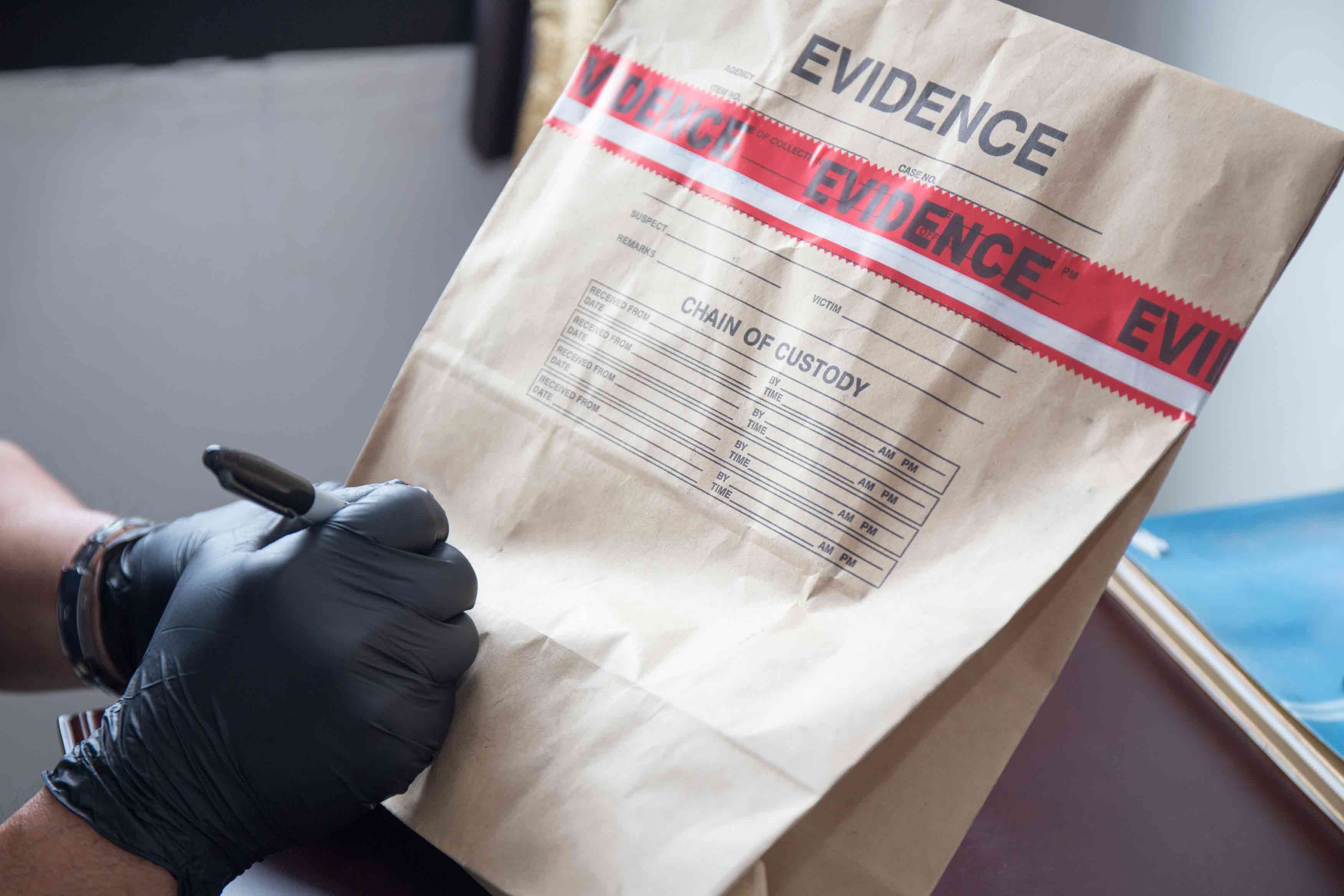
Digital evidence has become a routine part of nearly every criminal investigation, and this has significantly changed what employers expect from new professionals entering the field. From police body camera footage to mobile devices and cloud-based records, today's cases often depend on technology as much as traditional investigative work.
Understanding how agencies collect, manage, document, and use digital evidence can help students map out an educational plan to develop the practical knowledge and criminal justice degree skills that employers increasingly value.
How Digital Evidence Is Reshaping Entry-Level Criminal Justice Work
Digital evidence is no longer limited to few-and-far-between specialized investigations. Today, officers, investigators, dispatchers, analysts, and prosecutors routinely work with electronic records throughout the life of a case.
As technology has become central to modern policing, agencies increasingly expect new hires to understand how digital information is collected, documented, stored, and shared. These changes are influencing both daily responsibilities and transforming criminal justice job requirements across many entry-level roles.
The Explosion of Bodycam, Cell, and Cloud Data
Nearly every criminal investigation now has the potential to generate large amounts of digital evidence. A single case could contain:
- Police body camera footage
- Surveillance video
- Smartphone data
- Text messages
- GPS records
- Social media content
- Cloud-based files
Rather than reviewing one or two pieces of evidence, investigators often manage hundreds or even thousands of digital files. This rapid growth has increased the importance of organized evidence handling and reliable police evidence management software that keeps information secure and searchable.
Why This Changes the Job Description for New Hires
As digital evidence becomes standard in investigations, the entry-level criminal justice careers that once mostly required traditional communication and report-writing abilities now demand tech-savviness.
New professionals may assist with:
- Organizing digital case files
- Documenting the digital evidence chain of custody
- Reviewing video
- Preparing electronic records for prosecutors
Even positions outside of digital forensics entry-level specialties now benefit from strong technology skills, accurate documentation practices, and an understanding of how digital evidence progresses through the justice system without compromising its integrity.
Body-Worn Cameras: More Than Just Recording
Body-worn cameras have become a standard tool for many law enforcement agencies, but recording an incident is only the beginning of the process. Every video must be properly categorized, stored, reviewed, and shared according to agency policy and legal requirements. The work surrounding body camera evidence has created new responsibilities that many entry-level employees help support.
The Hidden Workload of Footage Review and Tagging
After an incident, recorded video typically must be:
- Uploaded
- Assigned to the correct case
- Tagged with searchable information
- Reviewed for accuracy and completeness
Proper labeling makes it easier for investigators, supervisors, and prosecutors to locate relevant clips later. Many agencies rely on video evidence management systems or a digital evidence management platform to organize growing libraries of recordings.
Employees who understand these workflows can contribute more efficiently while reducing the risk of misplaced or incomplete evidence.
Redaction, Disclosure, and Chain of Custody
Before video can be shared outside an agency, sensitive information often must be redacted to protect privacy or comply with state laws. For example, faces of bystanders, personal identifying information, or images of minors may require careful editing before release.
At the same time, agencies must preserve a clear chain of custody digital evidence record showing who accessed, copied, or transferred each file. Maintaining accurate documentation helps demonstrate that evidence remained authentic and unchanged throughout the investigative and judicial processes.
The New Categories of Digital Evidence
In addition to visual evidence like photographs and surveillance footage, modern cases now also involve a vast array of digital evidence including information generated by:
- Smartphones
- Online services
- Wearable devices
- Internet of Things (IoT)
- Connected applications
As these sources continue to expand, criminal justice professionals must understand the types of evidence they may encounter, and the procedures used to preserve and organize it for investigative and legal purposes.
Cell Phone and Mobile Device Data
Smartphones can contain valuable evidence, including:
- Call logs
- Text messages
- Emails
- Photos
- Videos
- App activity
- Location history
- Internet searches
Depending on the investigation and applicable legal authority, this information may help establish timelines or corroborate witness statements.
While specialized examiners often perform detailed extractions, professionals in many entry-level digital forensics’ jobs and related criminal justice roles benefit from understanding how mobile evidence is identified, documented, and securely handled.
Cloud Records and Third-Party Digital Accounts
Many important records are no longer stored only on physical devices. Cloud storage services, email providers, social media platforms, messaging applications, and other third-party accounts may contain evidence relevant to an investigation.
Since outside companies maintain this information, obtaining and preserving it often involves specific legal processes and detailed documentation. Understanding these sources and processes helps future professionals recognize how digital evidence can extend well beyond a single device.
Managing the Sheer Volume of Data
One investigation can produce thousands of digital files, making organization just as important as collection. Agencies must:
- Sort evidence by case
- Assign metadata
- Monitor retention schedules
- Ensure authorized personnel can quickly retrieve information when needed
Strong documentation habits and familiarity with modern forensic tools for investigators allow professionals to work more efficiently while reducing errors. As data volumes continue to grow, careful evidence management has become an essential operational skill rather than an administrative task.
The Tech Literacy Agencies Now Screen For
Technology proficiency has become a practical hiring consideration for many criminal justice employers. While most entry-level positions do not require advanced forensic expertise, agencies increasingly value applicants who are comfortable working with digital systems, following evidence procedures, and learning new software. Demonstrating these abilities can help candidates stand out during the hiring process.
Digital Evidence Management Platforms
Many agencies use a digital evidence management platform to store, organize, search, and share electronic files generated during investigations. These systems centralize video, photographs, audio recordings, and other digital records while maintaining security and access logs.
Familiarity with this type of technology and with common police evidence management software shows employers that applicants understand how evidence is managed throughout its lifecycle, even if they have not yet used a specific vendor's platform.
Basic Data Handling and Documentation Skills
Employers also look for candidates who can accurately document evidence, follow established procedures, and maintain organized digital records. Professionals can help reduce mistakes that could impact an investigation with skills, such as:
- Consistent file naming conventions
- Recording timestamps
- Protecting sensitive information
- Verifying documentation
These everyday responsibilities complement broader police technology training and demonstrate attention to detail, professionalism, and an understanding of how technology supports criminal justice operations.
The Forensic Tools Worth Knowing by Name
Entry-level applicants are not expected to master every forensic application, but recognizing widely used tools can demonstrate industry awareness. Platforms commonly encountered in law enforcement and forensic environments include:
Understanding what these tools do and when specialists use them helps students connect classroom learning to real-world investigative workflows without requiring advanced technical expertise.
Certifications and Coursework That Signal Readiness
Employers understand that most entry-level applicants are still developing their technical expertise, but they often look for evidence that candidates have invested in relevant education and training. Industry-recognized certifications and coursework demonstrate initiative while helping students build practical knowledge of technology, investigations, and evidence handling before entering the workforce.
Entry-Level Certifications Employers Recognize
While requirements vary by agency and role, several criminal justice certifications can strengthen an applicant's resume.
General technology credentials, such as CompTIA IT Fundamentals (ITF+) or CompTIA A+, demonstrate foundational computer knowledge that supports work with digital evidence. Students who are interested in investigative technology may also explore introductory digital forensics training or vendor-sponsored courses.
Although certifications are not a replacement for experience, they can signal a willingness to learn and prepare candidates for increasingly technology-focused roles.
Coursework That Builds Digital Evidence Skills
Courses in criminal investigations, digital forensics, cybercrime, information systems, and evidence procedures provide valuable preparation for today's workplace. Students also benefit from classes that emphasize report writing, legal procedures, ethics, and records management, as these subjects support accurate documentation of evidence.
This combination of technical and foundational coursework provides students with the opportunity to develop the practical knowledge employers seek. This helps them better prepare themselves for modern criminal justice environments where digital information plays a vital role in nearly every case.
How to Build These Skills Before You Apply
Students do not have to wait until they are hired to begin developing technology skills that employers value. Through coursework, practical experience, and independent learning, future professionals can gain confidence working with digital evidence concepts and investigative technologies.
Developing these competencies before graduation can ease the transition into the workplace and strengthen applications for competitive positions.
Hands-On Practice and Internship Opportunities
Students can gain exposure to real-world investigative processes through internships with law enforcement agencies, prosecutor's offices, forensic laboratories, or government organizations. During internships, students may observe evidence documentation, procedures, records management practices, or technology used to support investigations, while learning from experienced professionals.
Outside of internships, students can reinforce practical skills by participating in mock investigations, campus research projects, cybersecurity competitions, or technology workshops. These experiences demonstrate initiative and help students build the technical foundation needed for today's increasingly digital criminal justice environment.
Where This Career Field Is Headed
The technology used in criminal investigations will continue to evolve, bringing new tools, larger datasets, and changing workplace expectations.
Agencies are investing in systems that improve efficiency while helping investigators manage growing amounts of digital information. As a result, professionals entering the field will need to combine sound investigative practices with the ability to adapt to emerging technologies throughout their careers.
AI, Automation, and the Future of Digital Evidence Work
Artificial intelligence and automation are beginning to streamline tasks such as video searching, audio transcription, image classification, and data organization. While AI in law enforcement can help investigators process information more efficiently, trained professionals remain responsible for verifying results, protecting individual rights, and ensuring evidence is handled appropriately.
Rather than replacing criminal justice professionals, these technologies are shifting their responsibilities toward oversight, critical thinking, and informed decision-making. Graduates who are comfortable learning new digital tools will be well positioned as technology continues to transform investigative work.
Preparing for a Tech-Driven Criminal Justice Career
Not so many years ago, criminal justice professionals primarily focused on understanding the law and investigative procedures. While these skills are still foundational, technology is becoming increasingly important as digital evidence becomes central to modern cases. As a result, employers value candidates with strong technology skills, attention to detail, and a commitment to continuous learning. Developing these abilities now can help prepare students for rewarding careers in a rapidly evolving profession.
Indiana Wesleyan University (IWU) offers a variety of criminal justice programs tailored to students entering the field at any academic level. Our programs include:
To learn more about how IWU could help you prepare for the future of criminal justice, we invite you to explore our degree programs, request additional information, or start your application today.