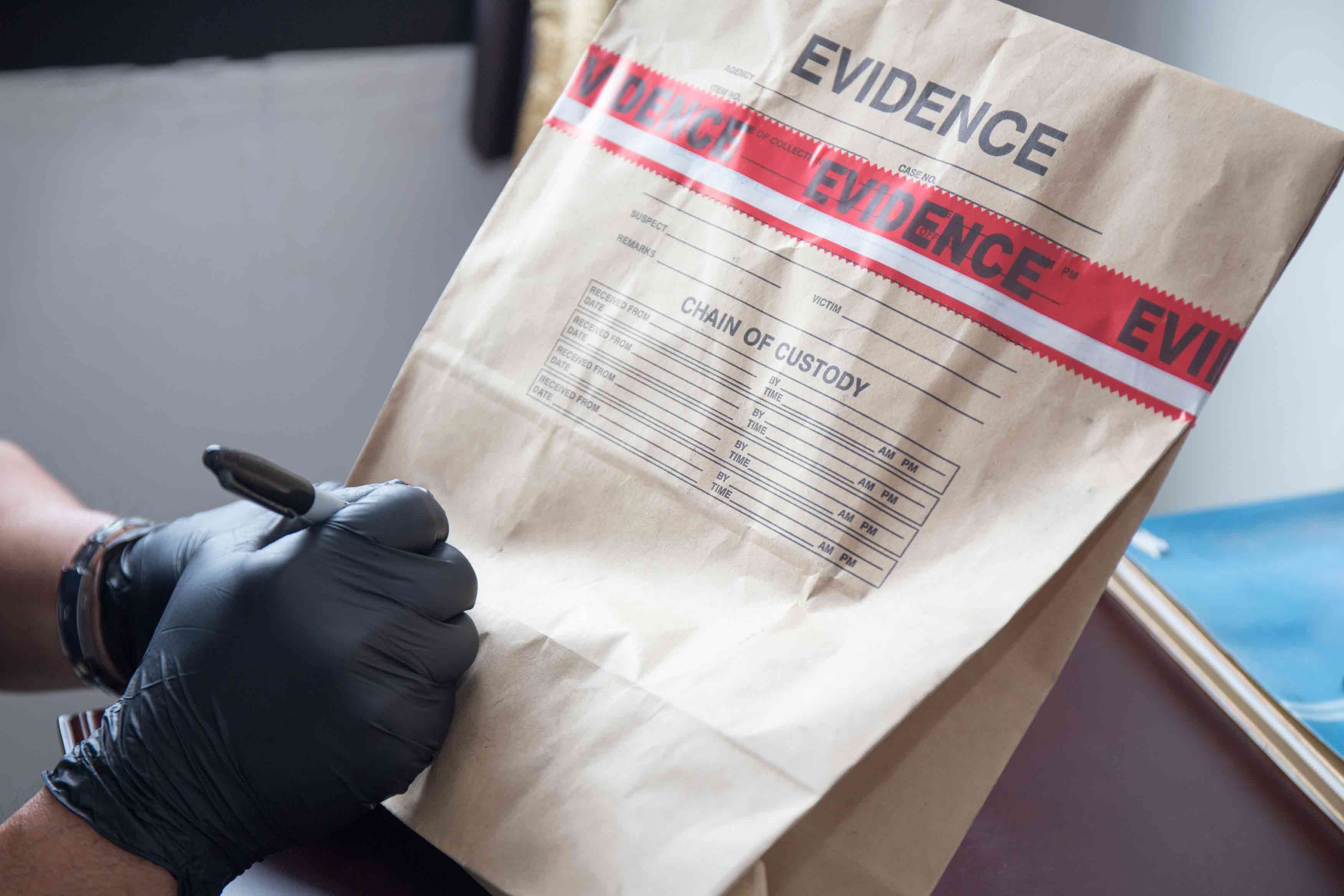
If you have been thinking about becoming a police officer, you need to know what to expect from the educational, interview, and police recruitment process. When you apply, you can expect physical testing, interviews, written testing, and academy training. You should also expect the interviewer or examiner to look deeply into your history with a background check — knowing who you are and how you act in your current environment says a lot about your character and how you’ll serve people as an officer of the law.
The law enforcement hiring process is an intensive one. The reviewer is likely to review your employment records, finances, driving history, personal references, and online activity. Understanding that process early gives candidates time to collect records, correct errors, and prepare truthful explanations.
Students who want a stronger academic base before entering the field can also explore Indiana Wesleyan University’s (IWU) criminal justice programs while planning their next step. IWU’s associate degree in criminal justice and bachelor’s degree in criminal justice may be a good fit.
The Law Enforcement Background Check Nobody Prepares You For
A law enforcement background check is much more than a standard criminal records search. Investigators compare what candidates report with records and information gathered from other people.
Why Qualified Candidates Get Screened Out
A strong resume and good fitness scores don’t guarantee an offer. Investigators may also look at employment history, criminal records, driving history, credit information, military service, and prior addresses. Then, they can compare those findings with the application.
This scenario is when otherwise-qualified applicants might run into a disqualification. A past mistake might be explainable, but a false statement or omission creates a separate concern about honesty. Incomplete applications also stop the police background check process before it advances.
What This Firsthand Walkthrough Covers
The police background investigation usually includes interviews, reference checks, psychological testing, medical screening, and a polygraph. Every agency handles the process somewhat differently, so candidates should study the police department hiring standards of the department where they want to apply.
The Polygraph Exam: What to Expect
The police polygraph test is given after an applicant has already passed an initial screening. Reaching this stage is a positive sign but doesn’t guarantee a role.
How the Polygraph Actually Works
The polygraph interview is an extensive interview process. During it, the candidate is hooked up to a monitor. Then, the examiner asks questions and observes the recorded responses.
This test is only one part of a larger review, and the answers can be compared with the application and other forms or interviews, as well as additional information sourced by the examiner.
For this test, consistency is the key. Candidates can ask questions, and they should be sure of their answers before responding.
The Questions That Catch Candidates Off Guard
Applicants often expect questions about convictions or illegal drug use, but they might be less prepared to discuss workplace misconduct, driving problems, unreported offenses, or previous application errors.
A background check for police officers can examine education, employment, finances, military history, and private associations. That means a question can involve conduct that never led to an arrest.
Don’t decide that an incident is too minor to report when the form clearly asks about it. Deliberate omissions are hard to explain away.
Honesty vs. Nerves: What Examiners Look For
Most candidates feel nervous during a major examination; that’s normal. Changing an answer creates a larger problem. If your application gives one account and your polygraph interview gives another, the inconsistency can damage your credibility. One of the most useful police officer application tips is to create a detailed personal timeline before applying. Include old addresses, jobs, traffic matters, disciplinary incidents, and other facts that could appear later, so you remember them clearly and accurately.
The Psychological Evaluation Explained
The police psychological exam is designed to help an agency evaluate whether a candidate is suited to the stress and responsibilities of law enforcement work.
What the Written Tests and Interview Assess
The written evaluation is made up of 150 questions and an interpretation session with a psychologist. The resulting report might rank a candidate by risk level or state whether the person is fit for the position.
While you might come across police psych test questions online, remember that you don’t need to memorize these boilerplate answers. Instead, you need to show dependability, clarity, honesty, and consistency in your responses. Evaluators find these questions more useful when the candidate answers honestly and provides context when asked.
Common Misconceptions About “Passing” the Psych Exam
Candidates sometimes assume that any difficult period, counseling history, or emotional struggle will lead to their application getting rejected. That’s not always the case.
Evaluators are looking at how a person handles stress, responsibility, conflict, and the demands of the role. Being truthful and explaining the past always looks better than trying to hide it or minimize your responsibility.
Financial History Review: More Than a Credit Score
A financial screening is also a part of the police officer selection process. Departments review financial history as one part of a larger assessment and to determine reliability.
What Investigators Look for in Your Finances
A background report looks at your finances is common with any job, including police roles. Those reports usually include property ownership and credit history. Investigators might review debts, payment history, credit cards, and bank accounts.
Bad credit history is one of the common law enforcement disqualifications, but that doesn’t mean one late payment or taking out a loan will disqualify you. Investigators typically look at patterns, not single issues.
Debt, Bankruptcy, and What Surprisingly Doesn’t Disqualify You
Debt or bankruptcy won’t automatically disqualify someone from becoming a police officer or working in law enforcement. It’s common to have things like car payments or student loans. In reality, what matters more is whether the candidate was honest about money issues and if they’ve handled those issues correctly. Applicants should always review their credit history before applying, so they can correct any errors and be prepared to talk about potential concerns.
Social Media and Digital Vetting
A modern police vetting process goes beyond official records. Publicly available online activity can also say a lot about you and your habits.
What Investigators Search for Online
There is a heavy vetting process when deciding if someone can be hired as an officer. Some of the things that interviewers or investigators will look for include:
- Gang affiliations
- Unreported crimes
- Poor employment history
- False application information
Investigators can also compare online information with the application. A post that conflicts with a candidate’s account of employment, conduct, or associations can create a credibility problem even when the post itself isn’t an automatic disqualifier.
Cleaning Up Your Digital Footprint Before You Apply
Search your name and common usernames. Review old public profiles, tagged photos, comments, and group memberships. Make sure these represent you well.
Remember that you do still need to disclose information about your online presence when asked, as it can reflect important information about your behavior and activity online.
What Actually Disqualifies You (and What Doesn’t)
There is no single national list used by every department. The law enforcement application process is different based on each agency’s policies, as well as other factors.
Automatic Disqualifiers to Know About
The following are typically automatic disqualifiers for a role in law enforcement:
- Felony convictions
- Serious misdemeanors
- Current drug use or past drug abuse
- Domestic violence
- Gang affiliations
- Dishonorable military discharge
Major driving problems, poor employment history, unreported crimes, and false or incomplete application information can also be problematic.
Before applying, read the department’s published police officer requirements. Don’t assume that another agency’s rules will apply.
Past Mistakes That Are More Forgivable Than You Think
The supplied sources don’t state that every traffic ticket, debt, job dispute, or youthful mistake leads to automatic rejection. Context matters.
An isolated event from years ago is very different from current, repeated misconduct. Taking responsibility also creates a different impression from minimizing what happened. Honesty doesn’t guarantee selection, but it gives the investigator an accurate idea of what’s going on and if it will impact your ability to serve in the role.
How to Prepare Before the Process Begins
To prepare for the background check, get ready to answer honestly about your past and future goals. As a candidate, always respond promptly. Then, remember the following steps.
Steps to Take Months Ahead of Applying
As a professional interested in leadership or administration, you need to prepare carefully for your interview after graduating with your MPA in criminal justice.
Start by reading the agency’s standards. Then, take some time to build out a complete timeline of past addresses, education, employment, military service, driving matters, and police contacts. Contact former employers when necessary to confirm dates of employment or that references are still available.
In addition to doing all of this, gather court records, tax documents, transcripts, military paperwork, and proof that financial issues were resolved or are being addressed.
Keep in mind that investigators can contact references, former employers, neighbors, academy instructors, and former professors. They might also contact law enforcement agencies in places where you’ve lived before.
Finally, keep a copy of every form. Review those forms before interviews so your answers stay consistent.
Passing the Background Check With Confidence
When it comes to how to pass police background checks, there is no secret. You’ll be most likely to succeed if you’ve provided:
- Complete information
- Quick responses to questions or requests
- Answers without contradictions
- Honesty and transparency
The process is demanding because law enforcement officers have to balance a high level of responsibility and maintain public trust. Agencies need evidence that candidates will have integrity and sound judgment. Your role is to provide evidence that you fit that profile.
Take the Next Step Toward a Criminal Justice Career
Education doesn’t guarantee employment with a police department or replace academy training, but it does mean that students learn about the ins and outs of the criminal justice system and understand their personal and ethical responsibilities. They also gain insight into the broader context of public service.
Indiana Wesleyan University offers several educational paths for students and working professionals. Students interested in a focused introduction to the field can explore IWU’s online certificate in criminal justice. Prospective students can also request information to learn more about program options, and those who are ready to begin can apply to IWU.