Art For His Glory: Trust In Process

Triangle Magazine
This article is part of the complete Spring/Summer 2026 publication of Triangle Magazine.

Aurora Haybin knew something was wrong. The visual art student had spent weeks refining a wearable art piece, a hand-painted ball gown, and the word she kept reaching for was “elegant.” She wanted it elegant. But during a quiet moment in the Williams Prayer Chapel, she began to question that instinct.

As she removed the jewelry she was wearing, a realization emerged: jewelry draws the eye to itself rather than to the person wearing it. She had been doing the same with her art.

Later, her professor confirmed in critique what that moment of prayer had already begun.

It didn’t have to be elegant.

“So I went back to the drawing board,” she says. “I prayed, ‘God, I’ll make something entirely new. What do you want to say through me?’”

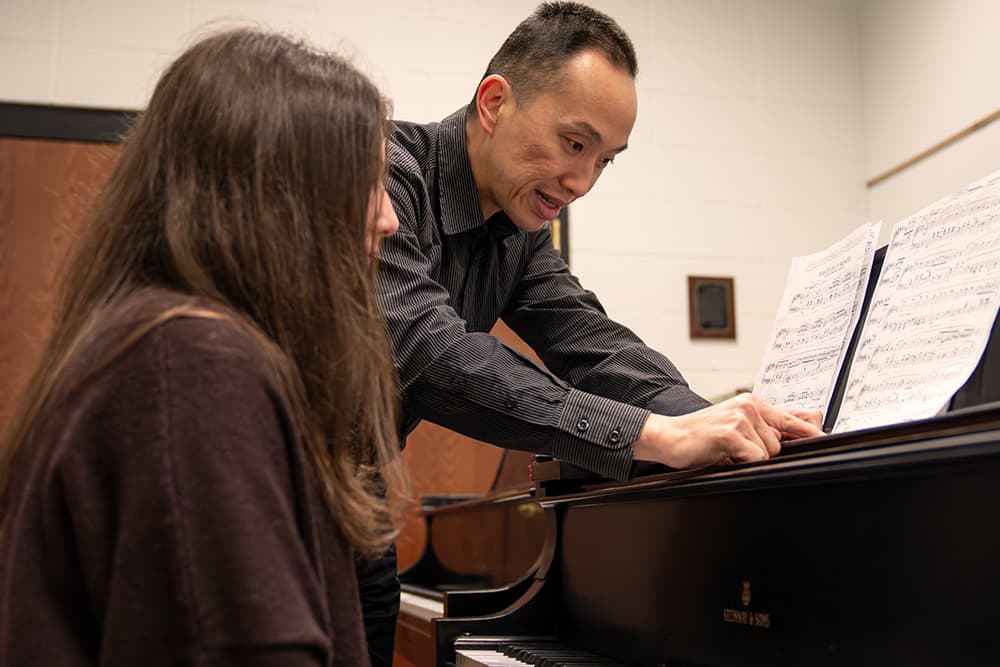
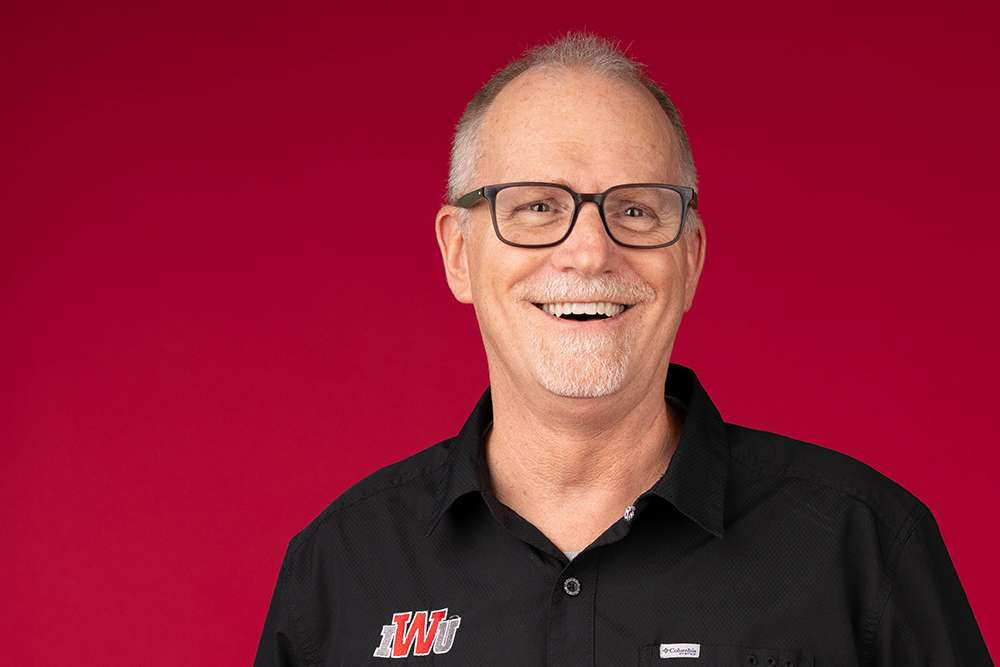
Piano Professor and Student
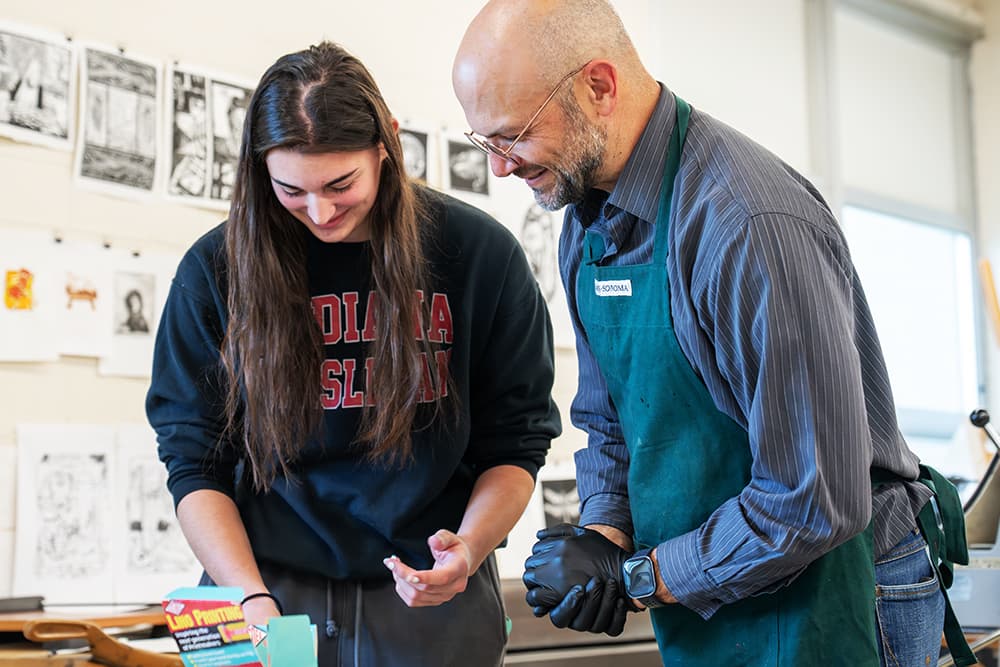
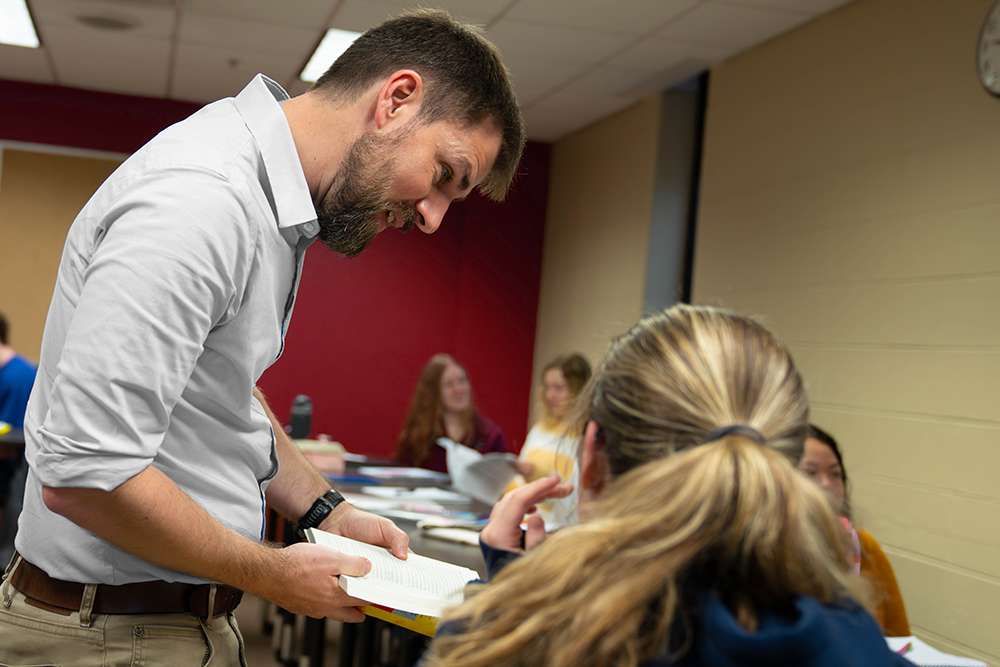
Art Professor and Student
“THIS UNHURRIED PROCESS REFLECTS THE WAY YOU COULD BE LIVING YOUR LIFE, WITH MORE ATTENTION AND CARE FOR THE SMALL, QUIET, HUMBLE THINGS.”
WILL CARPENTER
Professor and Chair, Art and Design

Moments like this reveal something IWU-Marion arts faculty emphasize often: creative practice is not just about producing art. It is about formation. The process itself, prayer, critique, revision, and discipline, slowly shapes the artist.

“If creating is the sole purpose, if it’s the end instead of the means,” Haybin says, “something has gone wrong.”

For Will Carpenter, professor and chair of Art and Design, that shaping happens through patience.

In his representational painting course, he often begins by asking a simple question: why paint when the world moves so quickly?

“Paint is slow,” Carpenter says. “It’s a way to counter the rush of the world.”

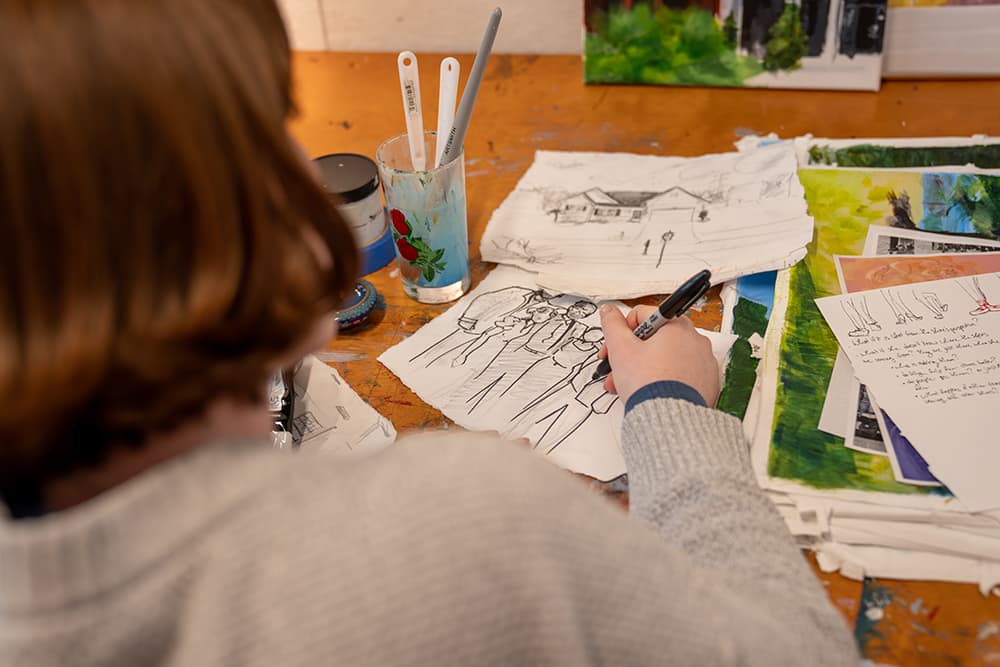
Painting requires careful attention to small details, the subtle texture of a stone’s surface, the gradual blending of color. For Carpenter, that deliberate pace forms habits of attention that reach beyond the canvas. “This unhurried process reflects the way you could be living your life,” he says, “with more attention and care for the small, quiet, humble things.”

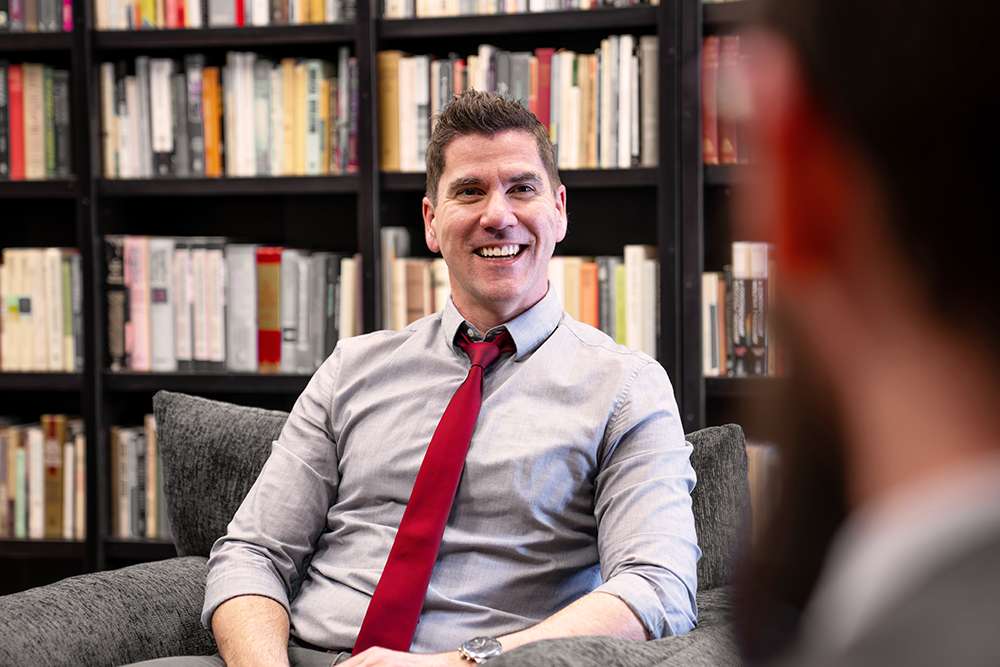
Daniel Lin, pianist and associate professor of music and theatre, sees the same formation happening in rehearsal.


Performance may be what audiences see, but the deeper work happens long before anyone takes the stage.

“I need to steward performance well by practicing and rehearsing diligently,” Lin says. “The more time you spend rehearsing or analyzing a piece of music, the more you realize how wonderful God is as a creator.”

Hours at the piano become acts of stewardship, an artist learning to serve something greater than themselves.

“I get to be His instrument,” Lin says, “the musical messenger of that beautiful composition.”

Art Professor and Student

Across studios, rehearsal rooms, and classrooms, the same pattern appears. Artists practice discipline, accept critique, and collaborate with others in the slow work of refining their craft.

In doing so, they discover that creativity itself is a form of worship, faithful work offered to the God who first created.

As Carpenter often reminds students, artists do not point people to truth through argument alone. They reveal it through beauty.

Or, as writer Madeleine L’Engle once wrote, people are drawn to Christ not by loudly discrediting what they believe, but by seeing a light so lovely they long to know its source.

157

on-campus concerts, recitals, and productions presented by IWU’s Division of Music, Theatre, and Arts from Fall 2022 through Spring 2025*

4

campus galleries*

14

exhibitions hosted each year since 2015, showcasing student, faculty, and guest artists*

10

gallery team student collaborators planning and curating each exhibition*

*Stats provided by the Division of Art+Design within the School of Arts and Humanities

View More Articles

Triangle Magazine Spring/Summer 2026