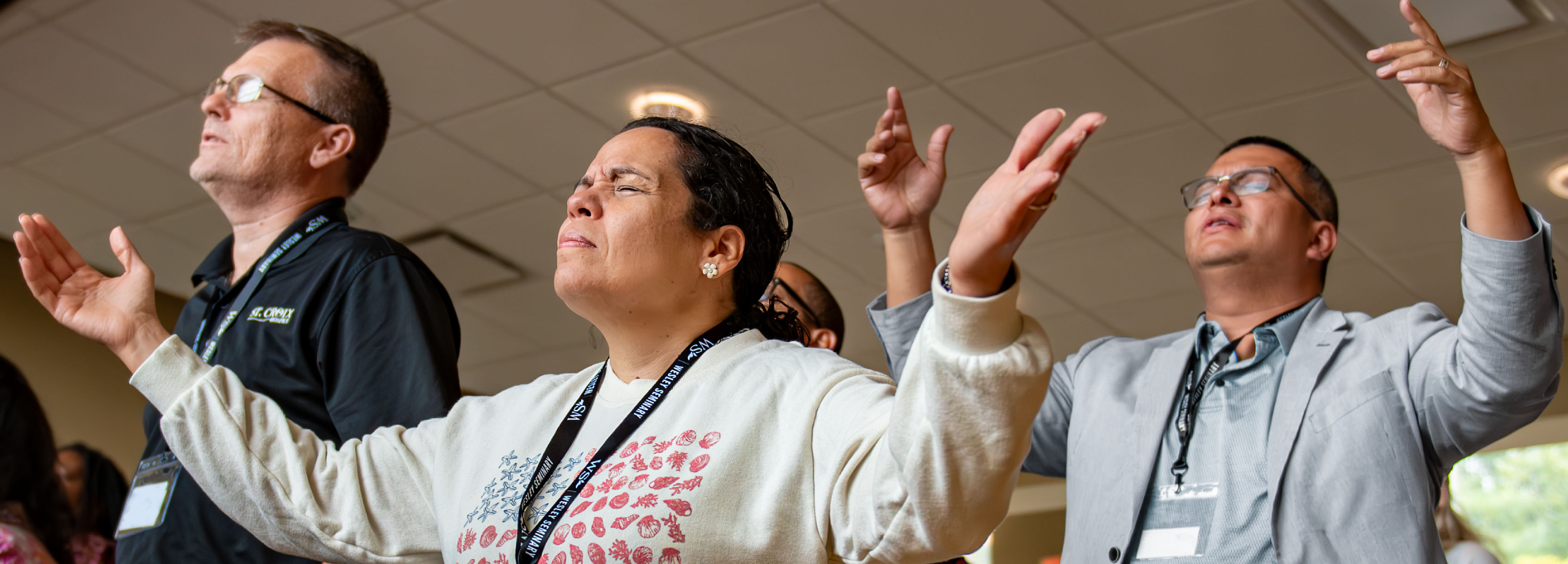

IWU’s Division of Natural Sciences provides numerous opportunities for student formation. We believe God will shape you through learning in the classroom and also by creating strong mentorship opportunities with faculty, peers, and the community!
Students from the Division of Natural Sciences Shine on the MCAT
Indiana Wesleyan University (IWU) students enrolled in the Pre-Med Concentration of IWU Marion’s Pre-Health Care Sciences Program performed exceedingly well on the Medical College Admissions Test (MCAT), which is the national standardized exam US medical schools use as a major part of their applicant evaluations. Read More >
Matthew Kreitzer
PROFESSOR | PH.D.
Dr. Matthew Kreitzer joined IWU’s Biology Department in the Fall of 2003 after completing his PhD in biological sciences focusing on Neurobiology at the University of Illinois at Chicago. At IWU he teaches anatomy and physiology courses for allied health majors as well as introductory biology and upper division anatomy, physiology, and neuroscience courses for biology majors.
Common Core Courses
The pre-med classification at IWU begins with a 'common core' set of courses worth 12 credits. After completing the common core courses, students will take additional courses that reflect their chosen concentration. These concentration-specific courses are required as prerequisites for the respective professional school applications.
Pre-med Concentrations (with addtl. credits needed):
Discover your God-given potential and begin impacting the world in Jesus' name with a degree in Natural Sciences from IWU!
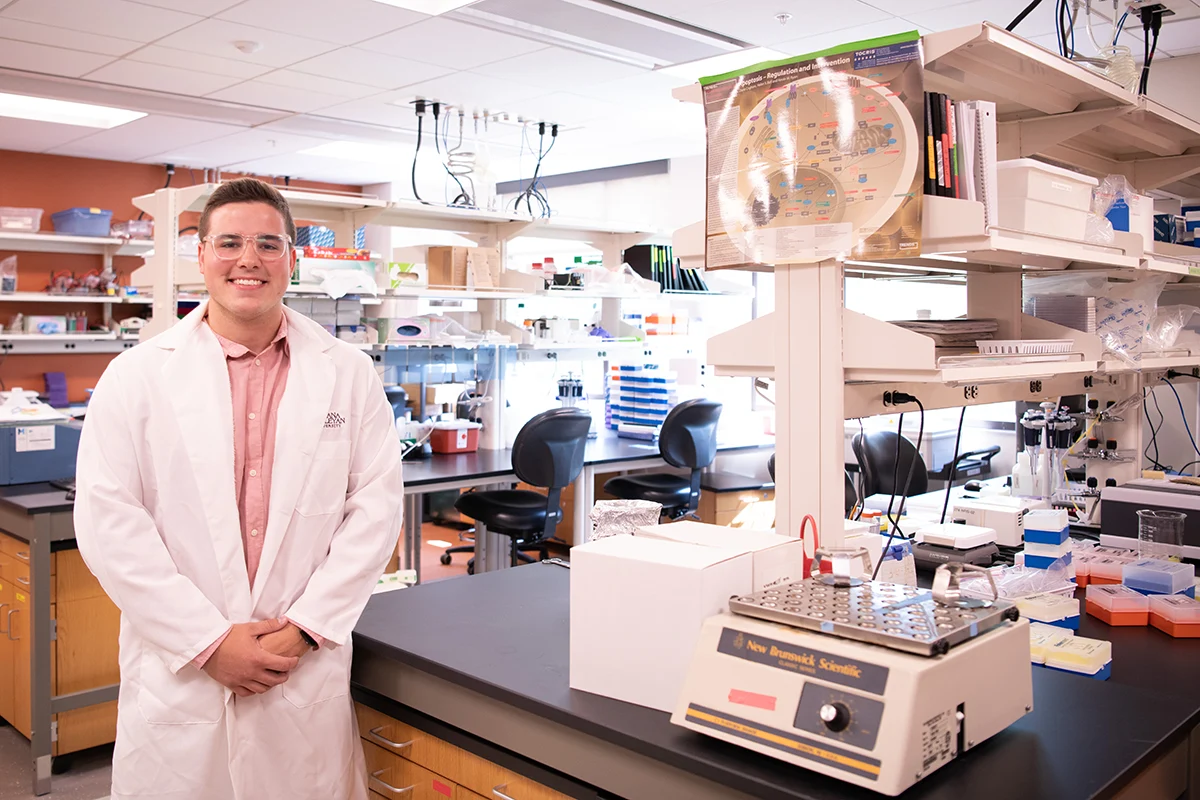
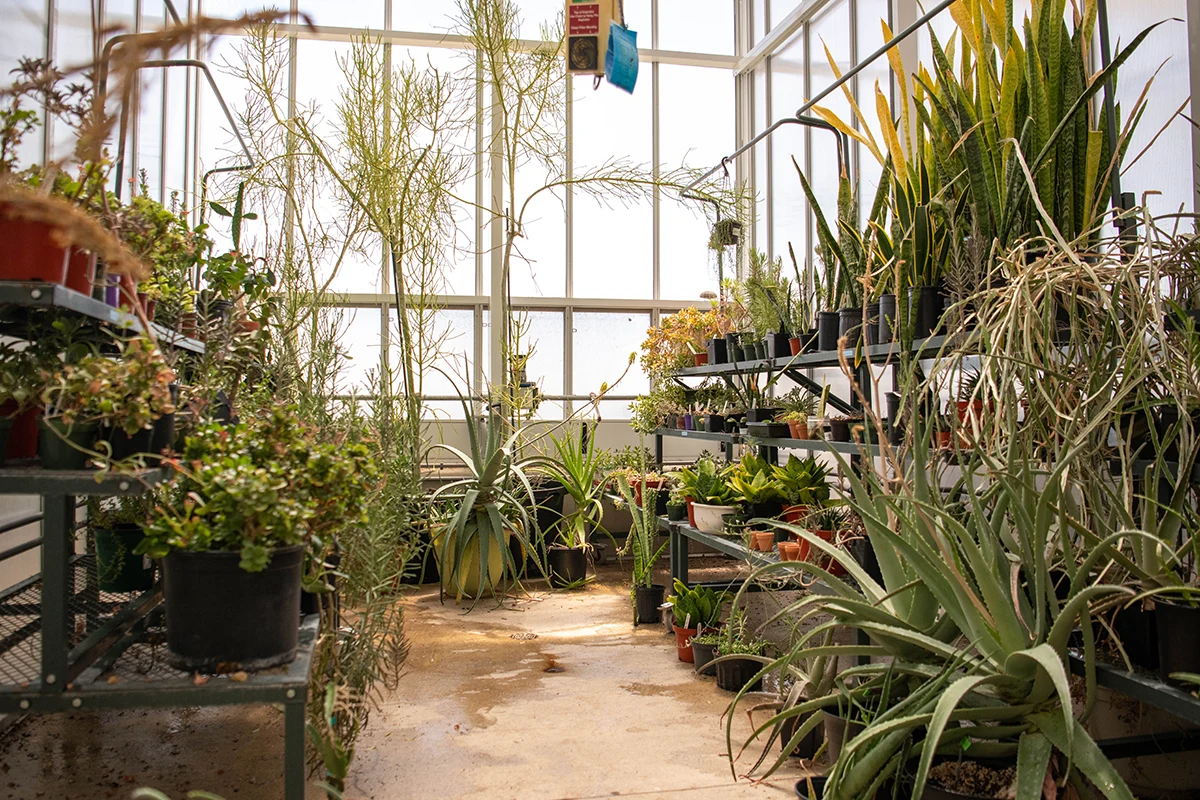
IWU Natural Sciences students benefit from world-class facilities and learn using state-of-the-art scientific and diagnostic equipment.


Over the past 5+ years, IWU has made significant advances in equipping itself to be a leader in STEM undergraduate education. IWU maintains a faculty/student ratio of ~15:1, which enables outstanding mentorship of undergraduates by faculty in the traditional classroom as well as non-traditional learning settings like undergraduate research, student societies, and seminars.
This exceptional program support has been coupled by recent initiatives at IWU to infuse significant infrastructure, new programs, and resources to catalyze STEM education at IWU, making IWU fertile ground for cultivating a future STEM workforce.
● Au Sable Institute: Field-based environmental science courses offered through a Christian consortium, available in Michigan, Oregon, and Costa Rica
● Wildcat Farm: Hands-on training in sustainable agriculture and environmental science while producing food for the community
● Hodson Research Institute: Flagship lab for biology and chemistry research; supports year-round and summer projects
● Faculty-Led Projects: Students have co-authored papers on neural transmission, bone and cartilage cell health, bacterial genomics, HIV, and extremophile studies
● Conference Presentations: Students present at local, regional, and national meetings
● Internships in Industry and Healthcare: Placements at Fort Wayne Children’s Zoo, ECHO, Corteva, BW Fusion, and hospitals such as Marion General, Parkview, and Lutheran
● Working in industry or education
● Working in a hospital lab or research setting
● Graduate studies in a biological discipline or medicine
● Hodson Research Institute supporting year-round and summer projects
● Faculty-led research with mentorship in chemistry and biochemistry
● Student presentations at local, regional, and national conferences
Prepared for graduate or professional study and employable in diverse laboratory and research environments
Hands-on courses with faculty mentorship using state-of-the-art instrumentation such as GCMS, HPLC, and FTIR
Students benefit from small-group mentoring and direct research engagement that prepare them for competitive graduate and industry positions
● Au Sable Institute: Field-based environmental science courses in Michigan, Oregon, and Costa Rica
● Wildcat Farm: On-campus training in sustainable agriculture and community food production
● Hodson Research Institute: Year-round and summer project support
● Faculty-Led Projects: Student co-authored research on plant tissue culture, microbe genomics, and invasive bee species
● Conference Presentations: Participation at local, regional, and national meetings
● Employment in industry or education
● Research in government, academia, or private sectors
● Graduate study in biology or environmental policy
Extensive hands-on learning in environmental science courses and opportunities to work alongside faculty in research and at Wildcat Farm
Graduates are career-ready for research and environmental positions or advanced study in biological and ecological sciences
● 3+1 Program Model – 3 years on IWU’s Marion campus + 1 year of clinical training at an affiliate hospital.
● Clinical Affiliates – IU Health Methodist (Indianapolis), Parkview Hospital (Fort Wayne), Franciscan Health Dyer (Dyer).
● Placement Rate – 100% of students placed at their first-choice clinical site.
● Outcome – B.S. in Medical Technology + eligibility for Board Certification as a Medical Laboratory Scientist.
100% of graduates are offered clinical laboratory jobs immediately upon graduation.
● Fourth year is full-time, supervised clinical rotations in hematology, microbiology, immunology, clinical chemistry, genetics, and more.
● Affiliates provide professional preparation equivalent to graduate-level training.
● Program does not include medical imaging, but focuses specifically on laboratory science.
● 100% first-choice clinical site placement rate.
● Strong employment outcomes – virtually all graduates hired by their clinical site.
● Integration of rigorous science with a Christian worldview and personal faculty mentorship.