 Occupational Therapy Doctorate (OTD)
Next Start |
Occupational Therapy Doctorate (OTD)
Next Start |
Following a comprehensive evaluation by the Accreditation Council for Occupational Therapy Education (ACOTE), the OTD program has been awarded a 10-year reaccreditation, the maximum period granted. Read Article
Welcome to the Occupational Therapy Doctorate at Indiana Wesleyan University, a distinctive program where faith, learning, and service converge to prepare students to excel in the field of occupational therapy utilizing a holistic approach.
At IWU, we believe in nurturing students not only in academic excellence but also in leadership, scholarship, and character grounded in Christian principles. Our OTD degree is designed to equip future occupational therapists with the skills and knowledge to provide compassionate and transformative healthcare services around the globe.
Facilities. Faculty. Fieldwork. These three components work in tandem to create a personalized, state-of-the-art learning environment for OTD students at Indiana Wesleyan University.
Facilities
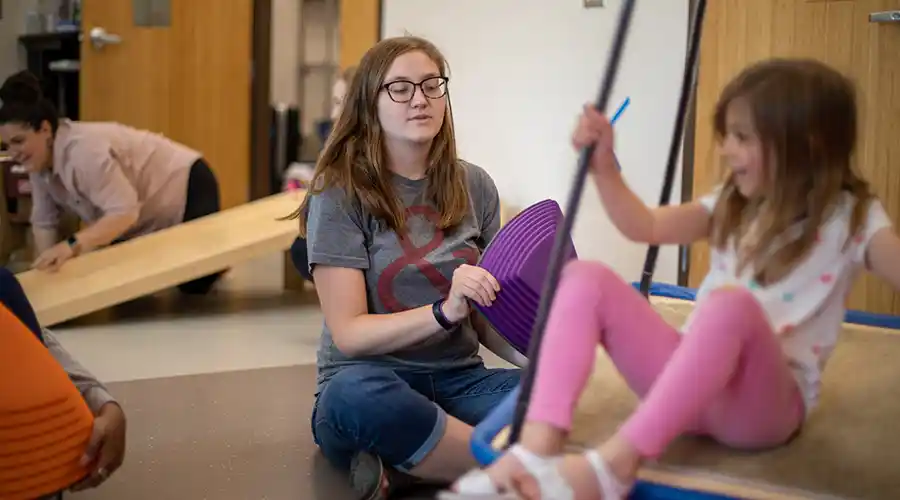
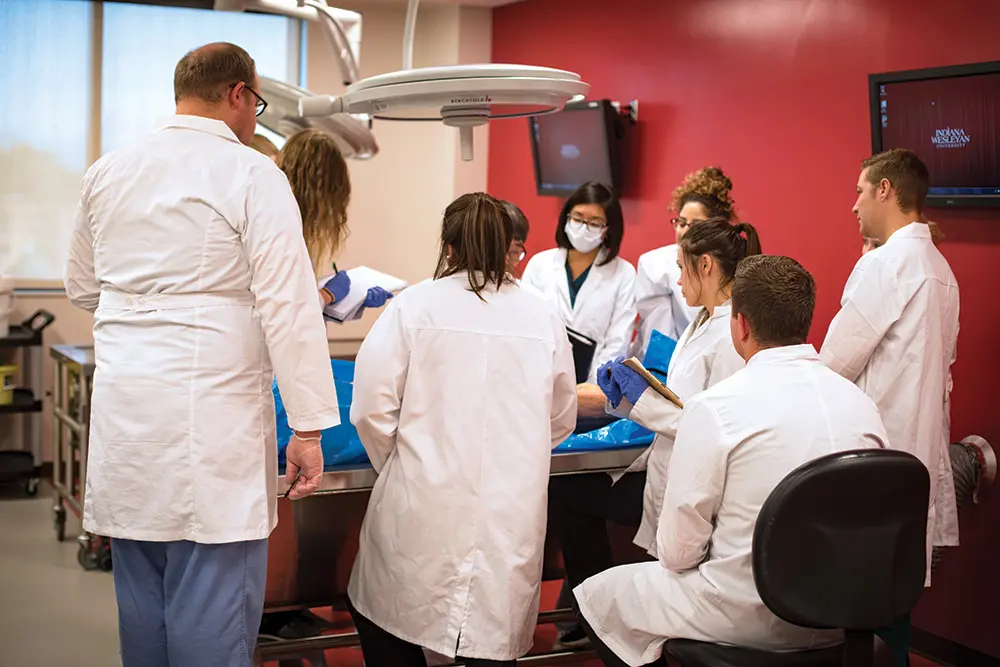
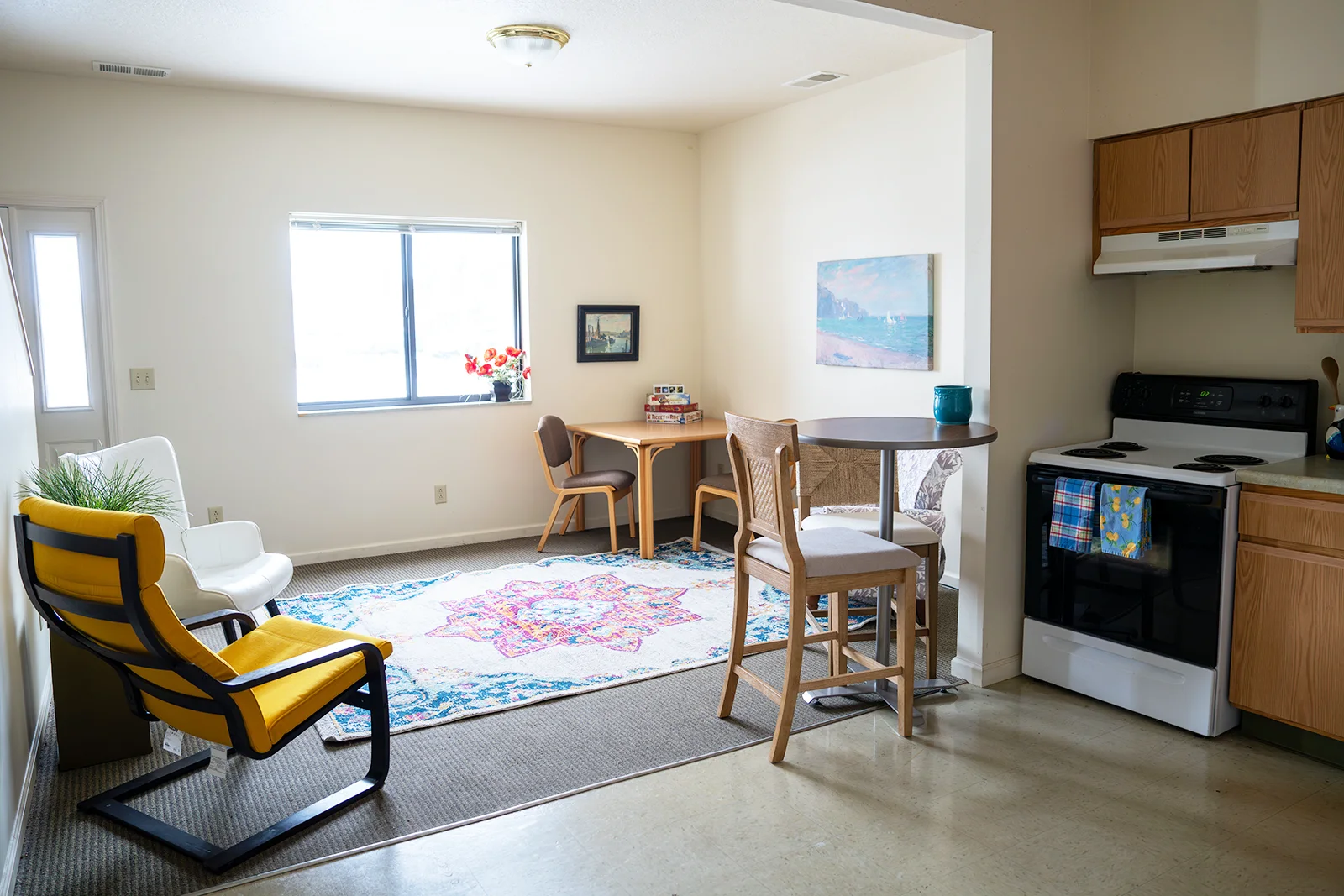
At IWU, students learn in unique state-of-the-art facilities and lab spaces, including a well-equipped sensory-based pediatric lab, and an anatomy and neuroanatomy cadaver lab outfitted with media-based technologies. OTD degree students at IWU learn transfers, home assessment, and modifications in our fully furnished 3-bedroom home located on a quaint corner of campus.
Faculty
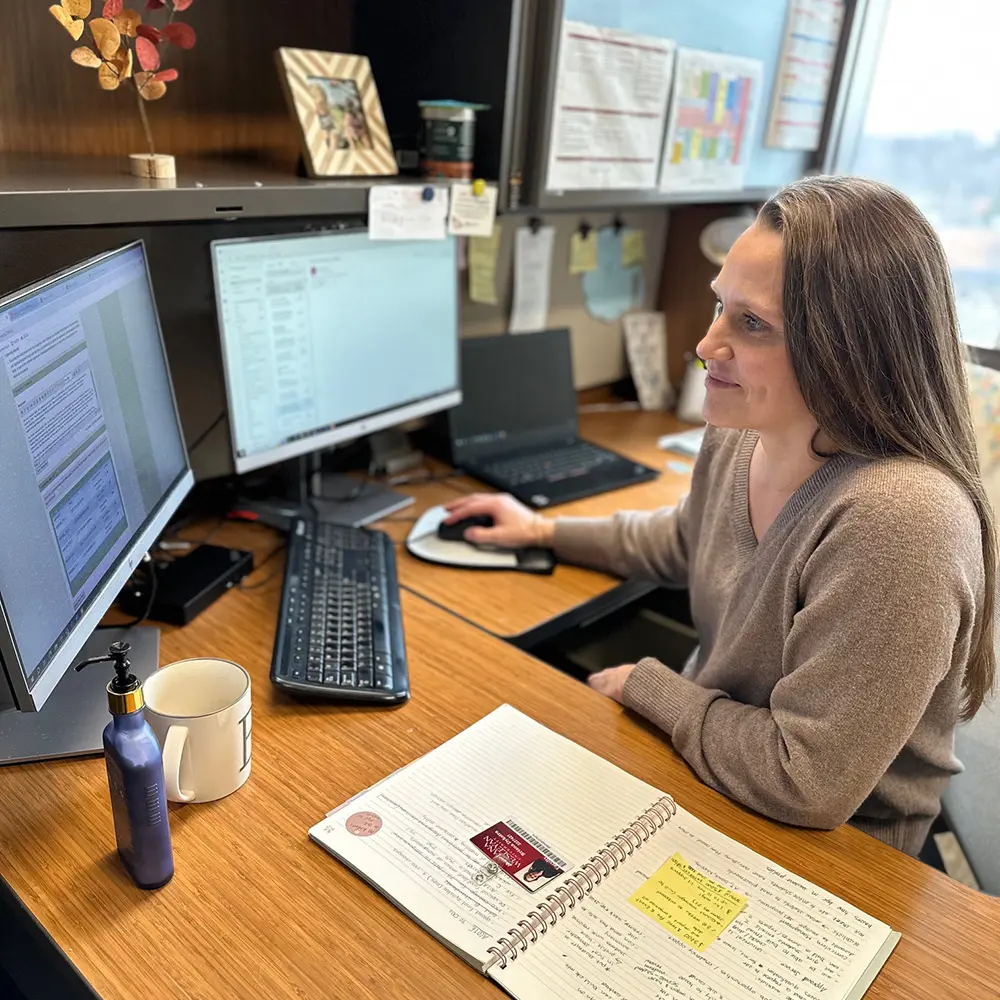
The OTD program is blessed to feature a diverse faculty with doctoral degrees from some of the nation’s leading institutions of higher learning. The educational diversity of the faculty offers our students a view of occupational therapy from varying educational perspectives. Many of our faculty members continue to work in clinical settings, thereby allowing them to stay current with health care trends and practices. All our faculty members teach within their areas of clinical expertise and specializations and advise students in those areas, creating targeted support for student success.
Fieldwork
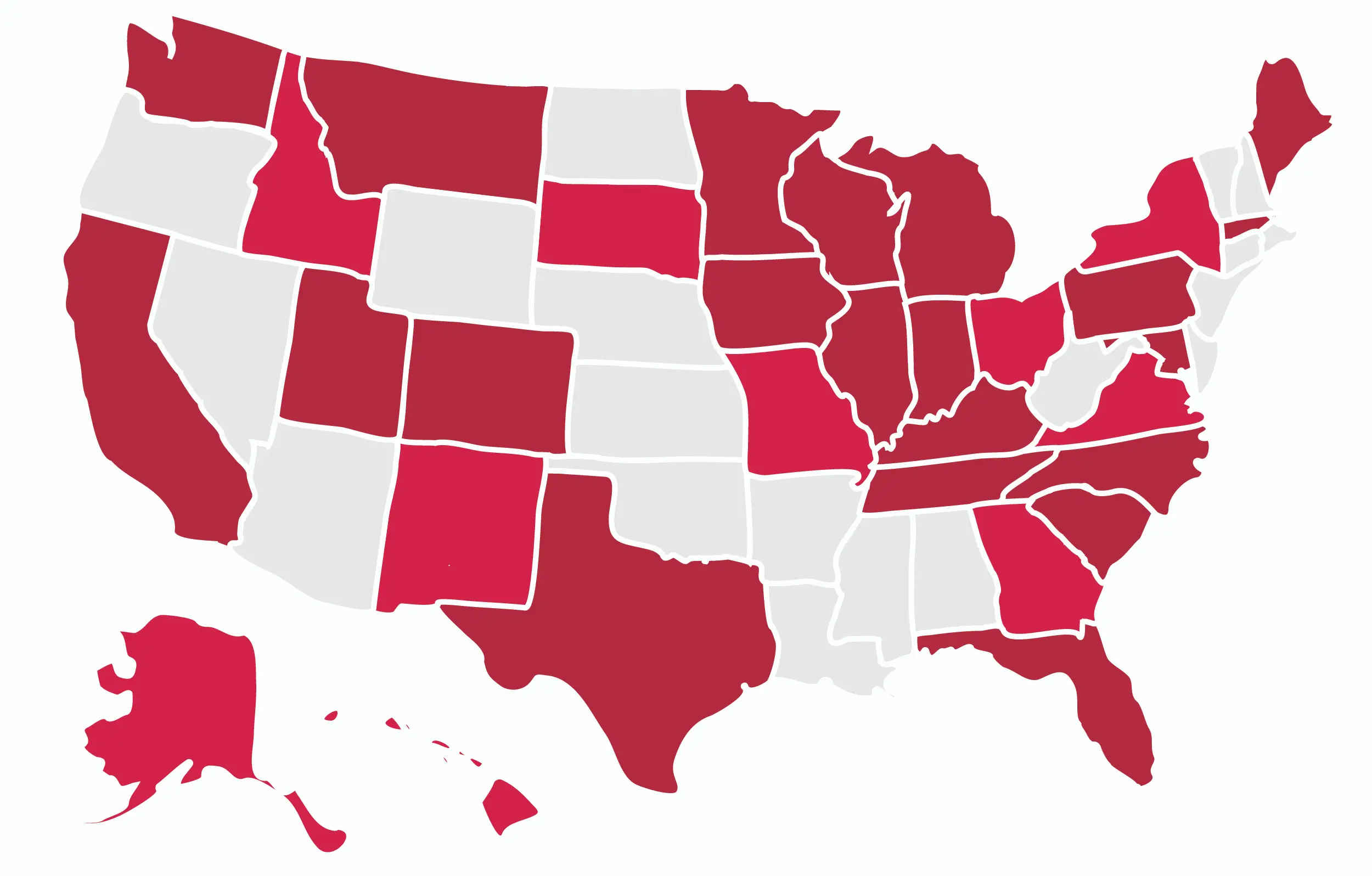
The degree at IWU utilizes a uniquely student-focused fieldwork placement approach. The program places students in five different fieldwork settings during their time in this doctoral program. Our Academic Fieldwork Coordinator meets with students near the beginning of the program to help them identify areas of clinical interest as well as geographic areas of interest for Level II fieldwork.
While pursuing their occupational therapy education, students will learn to harness the transformative potential of active engagement in meaningful occupations as a cornerstone of rehabilitation practice.
Students will also learn to view individuals, environments, and activities through a holistic, culturally responsive lens, embracing the power of collaboration to achieve rehabilitation goals, while pursuing their doctoral occupational therapy degree. An embedded, week-long cross-cultural experience helps students explore the world in a new way, learning while serving those we meet along the way.
Finally, students will discover and develop their personal strengths and interests, empowering them to thrive professionally and carve out their unique path within the diverse landscape of occupational therapy. The doctoral capstone experience encourages students to explore their chosen areas in depth, fostering growth and expertise.
In this program, students learn a variety of skills to achieve a holistic foundation for occupational therapy practice in any setting. Students will learn to deliver holistic care to address the needs of clients in mind, body, and spirit and advocate for global occupational justice. Graduates are equipped to:
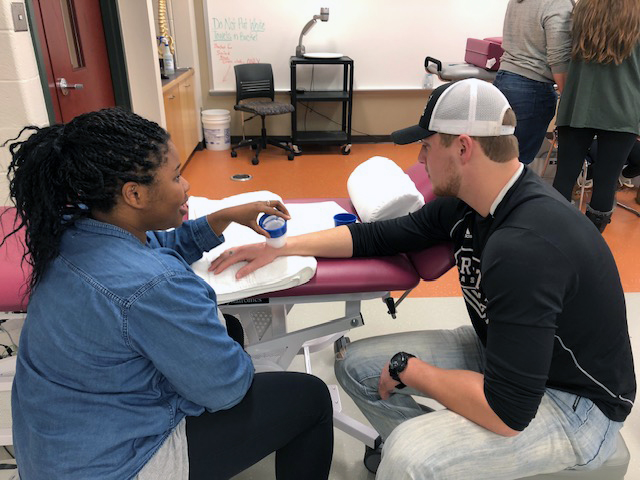
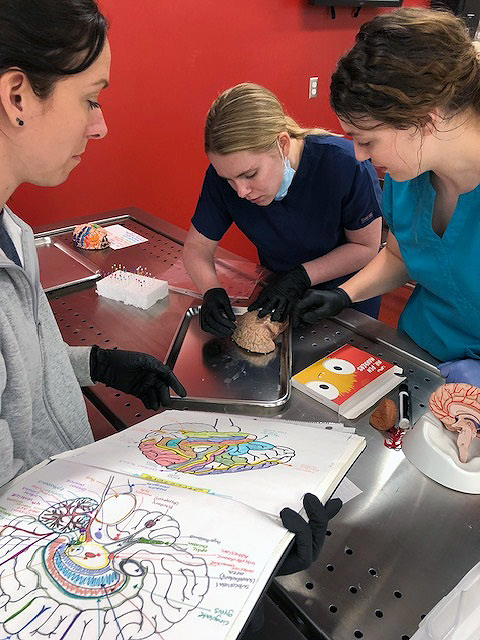
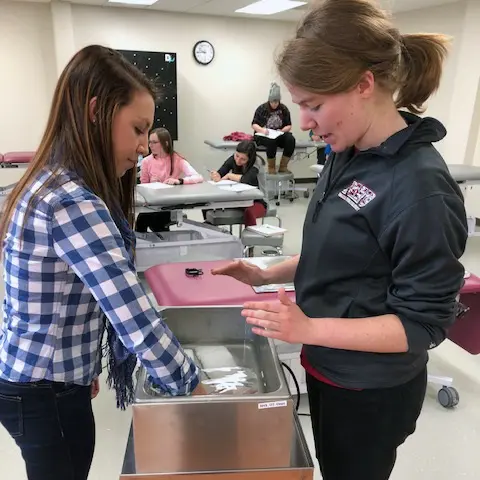
Our courses are intentionally designed to move students from foundational understanding through to application and creation, integrating the themes of: Use of meaningful occupation as a therapeutic medium, Holistic care for all, and Global occupational justice. Courses include hands-on experiences and collaborative projects that progress from the classroom to the lab, and then to the community and clinic so that students enter the workforce with confidence. For a full list of courses required to complete your degree, please visit the course catalog .
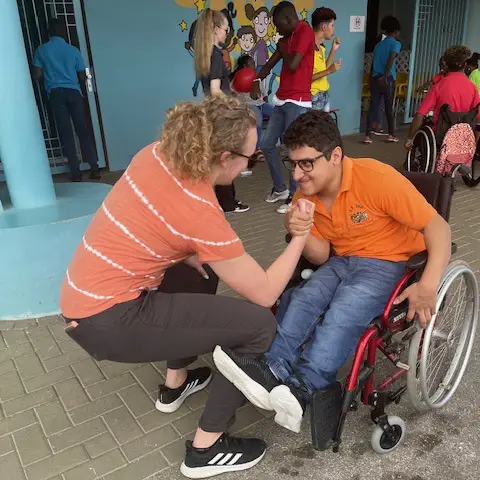
As part of our mission to understand the life experiences of others and learn about the world beyond our borders, the OTD program annually visits our global partners.
Upon successful completion of the program, graduates will have created positions in emerging areas of practice, engaged in traditional occupational therapy practice, and entered advanced apprenticeship positions in hand therapy, as well as the neonatal intensive care unit (NICU). Graduates will also be prepared to sit for the National Board for Certification in Occupational Therapy (NBCOT) exam and apply for state licensure as an occupational therapist.
By pursuing your doctorate of occupational therapy at IWU, you will gain the benefits of a uniquely Christian environment not found in many other OT programs, while also gaining the knowledge and experience to excel in the health sciences as a doctor of occupational therapy.
Surveys completed by supervisors of IWU OTD graduates indicate they are very satisfied with
Prerequisite Courses
The following prerequisite courses must be completed at a regionally accredited institution with a grade of B- or better. Course equivalencies are considered on a course-by-course basis. Credit for experiential learning is not considered. Unless specified, the courses below need to be taken for 3+ credits. Courses taken in a quarter system will be considered.
Students may complete up to two prerequisites in the summer semester prior to beginning the OTD coursework in the fall:
*Advanced placement credit allowed for General Psychology only.
Polices for progression through the OTD program and retention in the program can be found in the program catalog.
Polices for progression through the OTD program and retention in the program can be found in the program catalog.
| Graduation Year | Students Entering | Students who withdrew or did not graduate with the entering cohort, for reasons other than academic performance | Students Graduating with their cohort | Students who graduated within 150% of the program length (Not included in Graduation Rate) | Graduation Rate |
|---|---|---|---|---|---|
| 2023 | 19 | 0 | 17 | 1 | 89% |
| 2024 | 13 | 2 | 10 | 1 | 91% |
| 2025 | 10 | 1 | 9 | 0 | 90% |
| 3-Year Total | 42 | 3 | 36 | 2 | 90% |
GRADUATION RATE CALCULATION: The number of students who graduate on time (G1) divided by the number of students admitted in the original cohort (G2) minus the number of students who withdrew due to military, health, family issues, death and other reasons not related to academic and clinical performance (G3). Calculation per calendar year – (G1/(G2-G3)).
ON TIME (G1): The number of students who graduate according to the published program length. If a student does not graduate according to the published program length, the student should not be counted as a graduate for ACOTE graduation rate reporting. ACOTE 2023 Standard A.6.5
| Year | Cohort Size | Passing Percentage |
|---|---|---|
| 2023 | 14 | 100% |
| 2024 | 14 | 93%* |
| 2025 | 10 | 100% |
| 3-Year Average | 45 | 90% |
*One student passed outside of the measurement window.
| 2026-2027 Academic Year | OTD Program Fall Trimester | OTD Program Spring Trimester | OTD Program Summer Trimester | Total Cost of Program by Academic Year | Total Cost of Program (8 trimesters) |
|---|---|---|---|---|---|
| Tuition | $12,142 | $12,142 | $12,142 | $36,426 | $97,136 |
| Tuition rates remain the same for the duration of the program unless the student withdraws and re-enters the program. | |||||
| Student Wellness Fee | $100 | $100 | $200/yr. on campus | $400 | |
| The Student Wellness and Activity fee ensures you have access to essential health and wellness resources through your academic journey. | |||||
| Parking Fee | $60/yr. on campus | $120 | |||
| Parking Fee applies to the first two years while students are on campus. | |||||
| Clinical Compliance Software Fee | $215 | $215 (one time fee) | |||
| This fee includes document tracking and software for fieldwork communication and compliance for the entire program. | |||||
| Background Checks | $60-$80/yr. | $210 | |||
| This fee includes background checks. Students are responsible for the costs of health insurance and services and fieldwork-required tests and immunizations, etc. Costs may vary based on insurance coverage. | |||||
| Books & Supplies | $2,000 | ||||
| Includes books, state association fee and learning software as reported by current students. Costs vary with student preference for e-book/print, new/used availability, etc. Faculty make efforts to keep book costs down while keeping content up to date with current practice and federal and state regulation changes. | |||||
| Loan Fees | $108/term | $108/term | $108/term | $864 | |
| Standard loan fee for graduate loans per term. The OTD program at IWU includes eight terms. | |||||
| Transportation | $150 (estimated gas cost*) | $150 | $150 | $450 | |
| *Fieldwork Level I locations range from 5-60 miles from IWU campus, depending on student interests and site availability. AFWC works to balance student travel near and far. Estimate based on a site 60 miles from campus, in a vehicle that gets 15 miles/gallon and gas prices of $4.00/gallon. As the spring fieldwork is completed in groups, students often share gas costs. | |||||
| Fieldwork Polo Shirt | Free (one shirt) | ||||
| The OTD program provides one free Fieldwork shirt. Others available for $30-$35 per shirt. Most students use only one for the duration of the program. | |||||
| Graduation Fee | $150 | ||||
| Total: $101,545* | |||||
*Tuition Rates freeze at the time of admission for the duration of the program. Fees are subject to change.
OTD students are eligible to apply for housing in the North Townhouses, a graduate-specific housing facility on the North side of IWU's Marion campus. Discover more information about Graduate Housing at IWU, including townhouse photos, floor play, and application process on the North Townhouses webpage.
OTD In-Community Scholarship
The OTD In-Community Scholarship supports new OTD students living in the North Townhouses, a graduate-specific housing facility on the North side of IWU's Marion campus.
Graduate housing includes utilities, high-speed internet, laundry, maintenance, lease flexibility, and financial aid integration. The $1,400 per trimester scholarship makes on-campus living more affordable and enhances the graduate experience.
IWU’s Occupational Therapy Doctorate faculty bring experience across a broad range of occupational therapy practice areas.
Dr. Vince Campbell has more than 30 years of experience as an occupational therapist. His clinical background includes adult and geriatric care in skilled nursing facilities, Veterans Affairs settings, home health, and pediatrics. He is also a certified Assistive Technology Professional and has a particular interest in mental health and dementia care.
Dr. Melissa Khosla, OTD Program Director, has experience in pediatric, geriatric, and community-based occupational therapy. Her professional and research interests include supporting families, sensory sensitivities in trauma survivors, meaningful occupation as a therapy modality, and the use of occupational therapy theory in practice.
Dr. Rachel Timmons, Doctoral Capstone Coordinator, specializes in pediatric occupational therapy, including autism, early intervention, sensory integration, oral motor protocols, and handwriting intervention. Her experience also includes therapy leadership, fieldwork education, medical missions, and research related to pediatric practice and family experiences.
IWU’s OTD program combines academic study, research, fieldwork, global learning, faculty mentorship, and professional development.
Students complete five fieldwork experiences selected with their interests and professional goals in mind. Additional opportunities include research based on areas of interest, the OTD 799 Special Topics Seminar, the OTD 790 Global Health Initiative, faculty advising and mentorship, and opportunities for international doctoral capstone experiences.
IWU’s OTD program prepares graduates to pursue careers as occupational therapists serving individuals across the lifespan in medical, rehabilitation, community, and emerging practice settings.
Occupational therapists may work with infants, children, families, adults, and older adults in a variety of environments. Graduates may pursue traditional occupational therapy roles or help develop services in emerging settings and underserved communities.
The OTD curriculum is designed to build progressively from foundational knowledge to intermediate and advanced occupational therapy concepts and clinical practice.
Courses work together to develop the knowledge, clinical reasoning, professional skills, and practical experience needed for occupational therapy practice rather than relying on only a few individual courses for preparation.
Recent IWU OTD graduates have pursued opportunities in both traditional and specialized areas of occupational therapy.
For example, Joshua Stephens continued his doctoral work with the Utah state prison system in a position developed specifically for his occupational therapy expertise. Elizabeth Yang received a distinguished fellowship position in hand therapy at The Ohio State University.
Graduates of IWU’s OTD program are eligible to sit for the National Board for Certification in Occupational Therapy (NBCOT) examination.
After successfully completing the NBCOT exam, graduates earn the Occupational Therapist, Registered (OTR) credential and may pursue the state licensure required to practice occupational therapy.
Three foundational themes guide IWU’s OTD curriculum:
These themes support learning outcomes related to servant leadership, ethical practice, scholarship, global perspectives, evidence-based practice, occupational therapy theory, and advanced doctoral capstone work.
Yes. IWU’s Occupational Therapy Doctorate is an on-campus program based at Indiana Wesleyan University in Marion, Indiana.
Students complete coursework on campus in the Ott Hall of Science and Nursing. Level I Fieldwork experiences are completed locally, while Level II Fieldwork and doctoral capstone experiences may take place at sites throughout the United States based on available placements and student goals.
IWU’s OTD program operates on 15-week trimesters. Students typically take 15–17 graduate credits each trimester.
Students spend five trimesters completing coursework on the Marion campus and three trimesters participating in clinical placements.
The OTD program requires a significant weekly time commitment. Classes may run from 8 a.m. to 5 p.m., with additional evening time often needed for reading, group projects, studying, and class preparation.
During clinical experiences, students generally follow the typical workday schedule of their supervising occupational therapist.
Accepted students receive enrollment information from IWU Graduate Admissions to help them prepare for the start of the program.
Incoming OTD students participate in a two-day orientation in August, with classes beginning after Labor Day each fall.
OTD students have access to graduate tutoring and writing support. Each student is also assigned an OTD faculty advisor and works with a faculty capstone chair as they progress through the program.
These resources provide academic, professional, and individualized support throughout the doctoral experience.
OTD students receive faculty advising and mentorship throughout the program and can participate in local and national professional development opportunities.
Students also develop a professional growth plan as part of the doctoral capstone experience, helping them identify goals and prepare for professional practice.
The OTD program uses structured fieldwork experiences rather than traditional internships.
Students complete five clinical fieldwork experiences as part of the curriculum, providing opportunities to apply occupational therapy knowledge and skills in professional settings.
Yes. After completing five fieldwork experiences, OTD students complete a doctoral capstone experience and project.
Students collaborate with an organization and work with their faculty capstone chair and organizational leaders to design an experience aligned with their professional interests. The capstone allows students to develop knowledge, experience, and skills beyond the entry level of occupational therapy practice.
IWU’s OTD program combines a holistic approach to occupational therapy education with individualized fieldwork, faculty mentorship, research, global learning, and doctoral capstone opportunities.
The curriculum emphasizes meaningful occupation, holistic care, occupational justice, evidence-based practice, servant leadership, and the integration of Christian faith with professional practice.
Students who are compassionate, curious, flexible, creative, and eager to learn are well suited for doctoral-level occupational therapy study.
The program is especially suited to students who want to advocate for others, lead through service, and explore how meaningful activities can support health and well-being across the mind, body, and spirit.
IWU’s OTD program is designed as a collaborative learning community where students learn alongside faculty and peers through coursework, laboratory experiences, fieldwork, research, and professional development.
Students also have opportunities to build relationships through advising, mentorship, global experiences, and the broader Marion campus community.
Christian faith is integrated throughout the OTD program through classroom learning, faculty advising, professional relationships, and discussions about the connection between faith and occupational therapy practice.
Students are encouraged to explore their own beliefs while also learning to engage respectfully with people from different backgrounds and perspectives. This approach supports the program’s emphasis on holistic care of the mind, body, and spirit.
Yes. Indiana Wesleyan University’s Occupational Therapy Doctorate is accredited by the Accreditation Council for Occupational Therapy Education (ACOTE).
The program received a 10-year reaccreditation, the maximum accreditation period awarded by ACOTE.
Fieldwork experiences are planned with students’ professional interests and goals in mind. The Academic Fieldwork Coordinator works individually with students early in the program to develop a fieldwork plan.
Level I Fieldwork rotations are 40 hours and are completed locally during academic trimesters.
Level II Fieldwork rotations are 12 weeks and meet accreditation requirements for duration and complexity.
Students also complete a doctoral capstone experience planned in collaboration with faculty advisors and a participating organization.
IWU’s OTD curriculum prepares students to work with people across the lifespan and in a variety of occupational therapy settings.
The program provides broad preparation for entry-level practice while giving students opportunities to explore specialized and emerging areas through fieldwork, research, coursework, and the doctoral capstone experience.
NBCOT exam preparation is incorporated into the OTD curriculum.
During the final week before graduation, students participate in a two-day NBCOT exam preparation course designed to help them prepare for the national certification examination.
Evidence-based practice and clinical reasoning are developed throughout IWU’s OTD curriculum.
Students learn to use occupational therapy evidence and professional reasoning throughout the client-care process, from evaluation and intervention planning through discharge. They also develop reasoning skills needed to create intervention plans, provide caregiver education, supervise occupational therapy assistants, and educate future occupational therapy professionals.
Join us at Indiana Wesleyan University, where faith and education come together to shape compassionate leaders in occupational therapy. Together, we aspire to empower our students to make a meaningful impact as they embark on careers dedicated to providing world-changing healthcare services with integrity and grace.
Request Info OTD Application